Can I Get Dental Implants on the NHS?
Dental implants are an effective long-term solution for missing teeth, restoring both function and appearance. However, many patients are uncertain if implants can be funded by the NHS. The short answer: implants are rarely available through the NHS, and eligibility depends on strict criteria. Understanding whether you qualify and what your alternatives are will help you make the most informed decision for your oral health.
Implants on the NHS: Criteria, Costs & Availability
Implant treatment is classed as specialised restorative work. The NHS will only offer dental implants if there is a significant medical or functional need that cannot be fulfilled by other means, such as dentures or bridges. Most cosmetic or convenience-based cases are not eligible for NHS support.
The NHS-Funded Criteria
The NHS may approve implants under specific circumstances, including:
- Loss of teeth following oral cancer treatment or major facial trauma.
- Congenital or developmental conditions, such as ectodermal dysplasia or cleft palate, that prevent normal tooth development.
- Where dentures cannot be used due to oral or anatomical reasons.
If your situation is linked to aesthetics or general tooth loss from decay or gum disease, funding is unlikely to be approved. Your dentist can assess your situation and, if appropriate, refer you for evaluation at a hospital dental department.
Additional Factors for Your Eligibility
Even if your condition meets basic medical criteria, some additional factors may impact your eligibility:
- Your overall oral and general health, including bone density and gum condition.
- Your ability to maintain a high standard of dental hygiene.
- Presence of lifestyle factors such as smoking, which significantly affects implant success.
- The availability of funding and resources in your NHS region.
These factors help NHS clinicians determine whether implant treatment will lead to a successful, lasting outcome.
You May Also Be Declined for Implant-Funded Treatment If:
The NHS may reject your application if:
- Alternative treatments such as dentures can restore reasonable function.
- Your oral hygiene is not consistently maintained.
- You do not meet health-related requirements, such as smoking cessation or gum health stability.
- The case is deemed primarily aesthetic or non-essential.
Scenarios Where the NHS Might Approve Dental Implant Treatment
Only a small proportion of NHS patients are granted implant treatment. Typical examples include:
- Patients who have lost multiple teeth as a result of an accident, trauma, or surgery.
- Those born with medical conditions affecting tooth growth or bone structure.
- Individuals who cannot wear conventional dentures due to severe gag reflex or bone resorption.
In such instances, the decision generally lies with hospital consultants after review of medical and dental documentation.
Can I Get All-on-4 Dental Implants on the NHS?
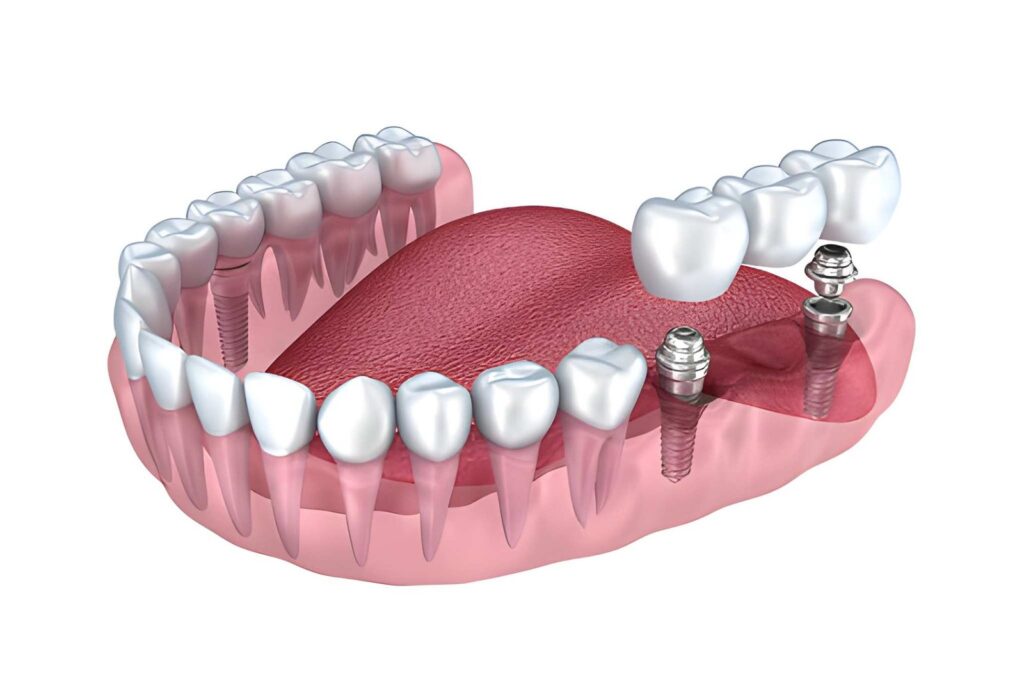
All-on-4 dental implants, which secure a full arch of replacement teeth using four implants, are generally considered elective procedures. These are usually not funded by the NHS due to their classification as an advanced cosmetic and restorative option. Patients seeking full arch implants typically need to pursue private treatment. An NHS dentist in Aberdeen can, however, assess your eligibility for essential treatments and guide you on available options. Private providers may also offer finance plans to make treatment more accessible.
Other Dental Implant Treatments Not Available via the NHS
The NHS does not cover treatments such as:
- Cosmetic implant placements for single missing teeth.
- Bone grafting purely for aesthetic enhancement.
- Immediate-load implants or same-day smile treatments.
These procedures fall under cosmetic dentistry and are therefore available privately only.
Private Dental Implant Costs
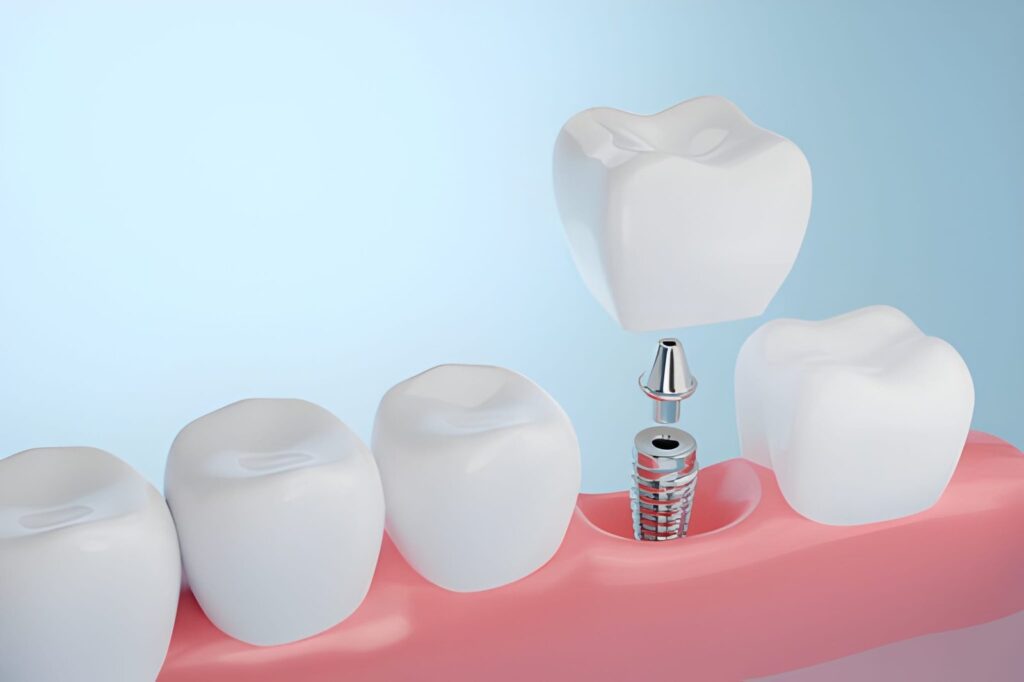
If you do not qualify for NHS funding, implants are available privately through many dental clinics. The price varies depending on materials, laboratory technology, and your oral condition. Typically, the cost of a single dental implant (including the crown) can range from several hundred to over a thousand pounds. While this represents a significant investment, implants often provide lifelong reliability if properly maintained. Many clinics offer payment plans to spread the cost of treatment over several months.
Alternative Ways to Replace Missing Teeth
Even if implant treatment is not an option, several alternative methods can effectively restore your smile:
- Bridges: Fixed prosthetics supported by neighbouring teeth to replace one or more missing teeth.
- Partial or full dentures: Removable devices offering a cost-effective and non-surgical approach.
- Resin-bonded bridges: A minimally invasive option suitable for single front-tooth replacement.
Your dentist can guide you in selecting the most suitable option based on comfort, durability, and appearance.
Before and After Results – What to Expect
Successful dental implant treatment can dramatically enhance oral function, stability, and confidence. Patients often report improved speech, chewing comfort, and the ability to enjoy a wider range of foods. The aesthetic improvement is equally significant, helping create a natural-looking smile that feels authentic. Taking time to understand realistic outcomes will help align your expectations with achievable results.
Summary
In most cases, dental implants are not available on the NHS unless there are clear medical needs that prevent you from using dentures or alternative treatments. Private dental implant treatment remains the most accessible route for the majority of patients seeking this advanced restorative solution. Always consult with a qualified dental professional, such as a Cove dentist in Aberdeen, to discuss suitability, pricing, and payment options before proceeding.
FAQs
1. How do I apply for NHS dental implants?
Your general dentist must refer you to a hospital or NHS specialist for assessment. The case will be reviewed based on medical necessity and availability of resources.
2. Are dental implants free on the NHS?
No, dental implants are rarely free. Only patients with specific clinical reasons, such as those who have undergone major surgery or trauma, may qualify for NHS-funded implants.
3. Does the NHS cover bone grafting for implants?
Bone grafting is generally not funded unless it supports medically necessary treatment approved by NHS specialists.
4. How long do dental implants last?
With proper care, dental implants can last 15 years or more. Maintaining good oral hygiene and attending regular check-ups are vital to ensuring their longevity.
5. What is the best alternative if I’m not eligible for NHS implants?
Bridges or modern dentures are reliable, less invasive alternatives. Some patients may also consider private finance options for dental implants if they prefer a fixed solution.
Considering dental implants? Speak to a qualified dentist to explore your treatment options, eligibility, and the best way to restore your smile with confidence.