Quick Answer: Can I Get Free Dental Implants on the NHS?
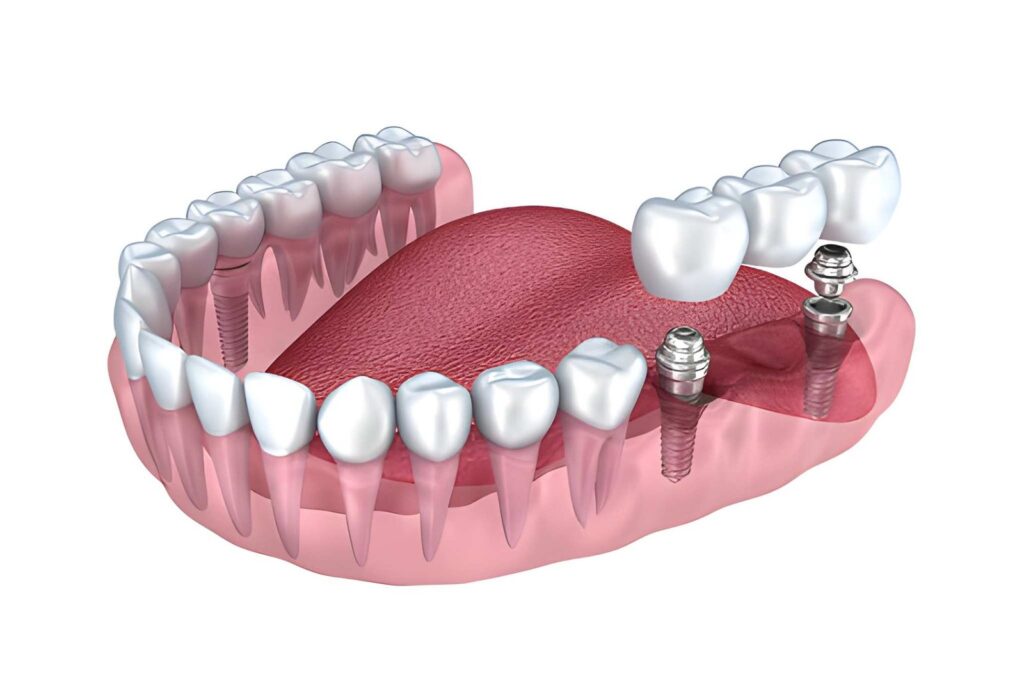
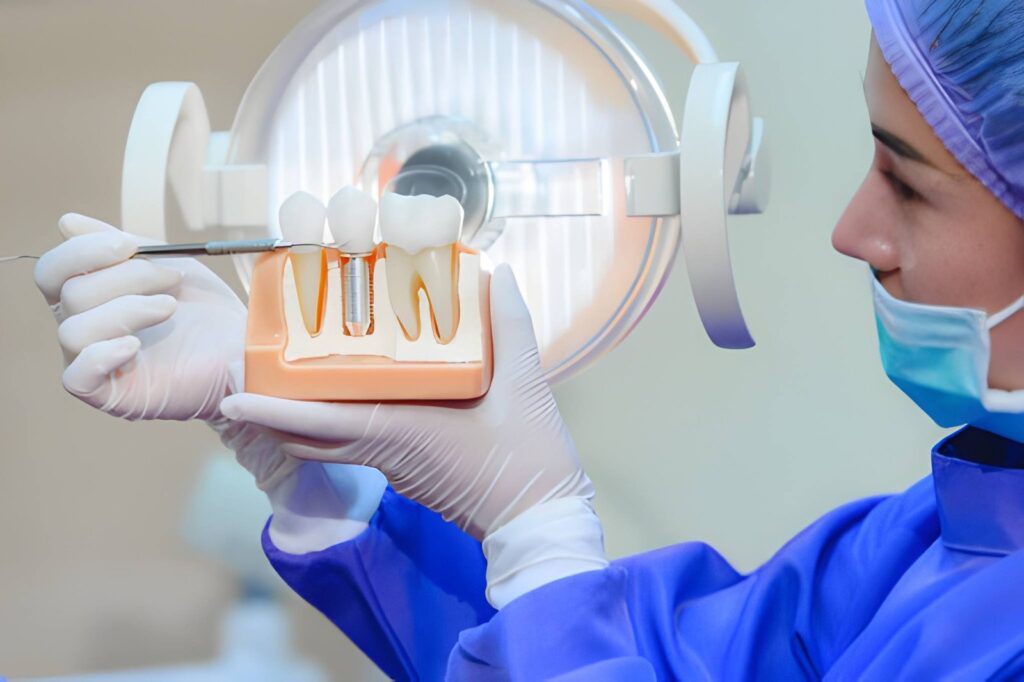
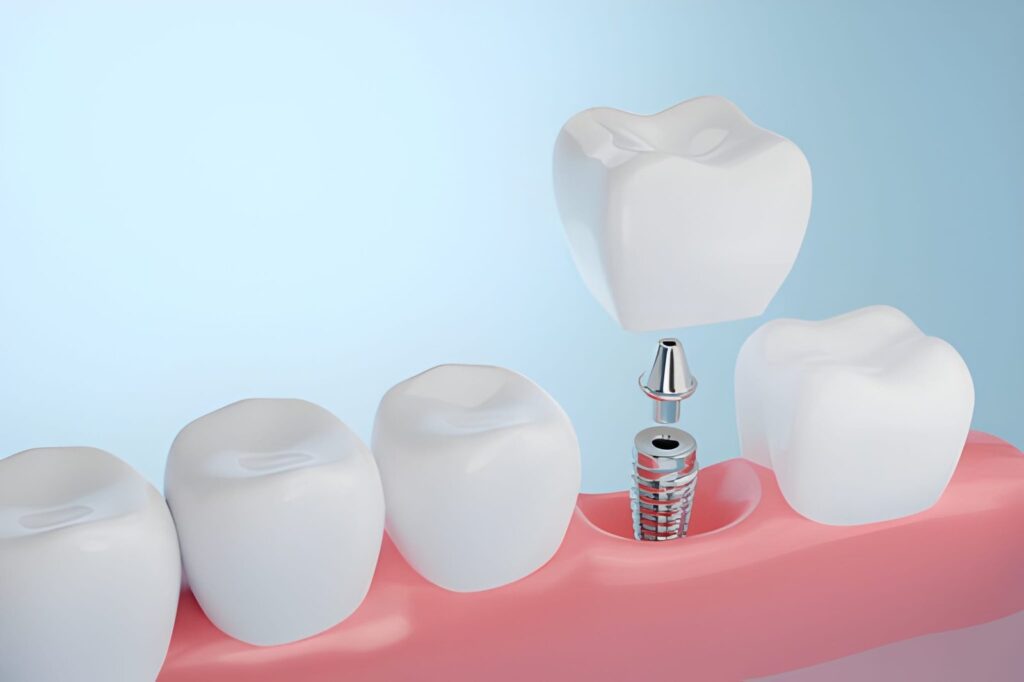
Free NHS dental implants are available only in very rare cases. The NHS typically offers implants if there’s a clear medical necessity, such as after major facial trauma or conditions that affect mouth structure and function. For those exploring Dental Implants in Aberdeen, it’s important to note that in most cases implants are considered a cosmetic rather than a clinical requirement, meaning patients usually pay privately unless exceptional circumstances apply.
Who Can Get Free or Reduced NHS Dental Treatment
Many patients in England and across the UK can access free or reduced dental treatment through the NHS. Eligibility is based on individual circumstances and entitlement status. Those automatically entitled usually include:
- Children aged under 18, or under 19 and in full-time education
- Pregnant women and those who have had a baby in the past 12 months
- Recipients of certain benefits, including Universal Credit (with specific income thresholds), Income Support, or Income-based Jobseeker’s Allowance
- Patients holding valid NHS Tax Credit Exemption Certificates or HC2 certificates
If you’re not automatically entitled to free treatment, you may still qualify for help with part of the cost through the NHS Low Income Scheme (LIS).
Who Actually Qualifies for NHS Dental Implants
NHS dental implants are approved only when other tooth replacement options—such as dentures or bridges—aren’t clinically suitable. Common qualifying medical conditions include:
- Serious oral or facial trauma after accidents
- Congenital conditions affecting jaw or tooth development
- Severe cases of mouth cancer or surgical reconstruction needs
- Untreatable denture intolerance due to physical conditions
Even with medical justification, approval depends on local NHS resources and specialist assessments.
Step-by-Step Application Process for NHS Dental Implants
Step 1: Register with an NHS Dentist (Weeks 1–4)
Start by registering with an NHS dentist. They’ll assess your oral health and determine if further specialist involvement is necessary.
Step 2: Address Existing Dental Issues (Months 1–6)
Before any implant consideration, general oral health must be stabilised. Treat cavities, gum disease, or other routine issues during this stage.
Step 3: Request a Specialist Referral (Month 7)
If your NHS dentist believes you may medically qualify for implants, they’ll refer you to a hospital or maxillofacial specialist for further evaluation.
Step 4: Specialist Assessment (Months 8–12)
The specialist assesses your eligibility. They’ll check whether alternative treatments could suffice. Only then can an implant application be authorised under NHS funding.
Why Most NHS Implant Applications Get Rejected
Nearly all NHS implant applications—around 95%—are declined because they don’t meet strict medical criteria. Key rejection reasons include:
- Lack of clear medical necessity
- Failures to try available alternatives like dentures
- Poor oral hygiene or non-compliance with dental advice
- Insufficient documentation or incomplete referral forms
NHS vs Private Dental Implant Costs
Privately, dental implants can cost thousands per tooth. NHS procedures, if approved, are either free or charged at the Band 3 treatment level. However, given their rarity in NHS provision, many patients choose private clinics for faster and guaranteed treatment availability.
Alternative Tooth Replacement Options Available via the NHS
If implants aren’t approved, the NHS offers reliable alternatives, including:
- Dentures: Cost-effective and removable solutions to replace missing teeth.
- Dental bridges: Fixed appliances supported by neighbouring teeth.
- Crowns: Protective coverings for damaged teeth.
- Root canal treatments: To preserve natural tooth structure where feasible.
Charitable and Educational Alternatives
For patients struggling with costs, there are other routes to explore:
- Dental Charities: Some charities and community organisations provide low-cost or free treatment days.
- University Dental Schools: Students supervised by qualified dentists occasionally offer affordable treatments for training purposes.
Regional NHS System Differences Across the UK
England
England’s dental services are heavily oversubscribed, making implant approvals particularly stringent. Applications often need strong hospital-based justification.
Scotland
Scotland offers a more uniform approach, with clear NHS dental charge bands and consistent coverage for denture-based replacements.
Wales
Wales provides improved accessibility for low-income patients through the Welsh NHS Low Income Scheme, which may help with general dental work costs.
Northern Ireland
Dental care frameworks in Northern Ireland follow similar rules to England, though implant availability is even more limited.
How to Strengthen Your NHS Implant Application
Enhance your chances of acceptance by providing comprehensive documentation, maintaining excellent oral hygiene, and demonstrating that other restoration types aren’t medically viable in your case. Supporting letters from hospital consultants and detailed treatment history records can significantly help.
When to Consider Private Treatment
If your NHS referral is unsuccessful, it may be worth exploring private care. Private implants provide flexibility in materials, schedule, and customisation. Discuss affordability plans and staged treatments with your dentist if full payment upfront is difficult.
Making Informed Treatment Decisions
Weigh NHS and private options carefully. While cost is a major factor, consider procedure timelines, maintenance needs, and long-term oral health goals. With guidance from CoveDentist, the right choice is one that balances affordability with clinical suitability.
FAQs
What medical conditions qualify for free NHS dental implants?
Conditions such as facial trauma, oral cancer reconstruction, congenital defects, or severe denture intolerance may qualify if well-documented and approved by a hospital specialist.
Why does the NHS reject most implant applications?
Applications often fail due to insufficient evidence of medical necessity, incomplete documentation, or viable alternative treatments being available.
Does automatic eligibility for free NHS dental care include implants?
No. Automatic exemptions cover routine dental treatment but do not extend to dental implants, which require specialised medical approval.
What are the alternatives if NHS implants aren’t an option?
Dentures, bridges, or partial dentures are common NHS-funded alternatives. Private clinics may offer payment plans for full implants.
Can I claim a refund if I qualify for free NHS dental treatment after payment?
Yes. If you later receive confirmation of exemption eligibility, you can apply for a refund by submitting the appropriate NHS receipt and proof of entitlement within three months of the payment date.
Final Thought: While free NHS dental implants are limited to exceptional cases, understanding your eligibility, exploring alternative treatments, and maintaining regular NHS dental care will ensure your oral health stays a priority.