Why Food Gets Stuck Under All-on-4 Dental Implants — And What You Can Do About It
Many people with All-on-4 dental implants enjoy restored confidence and function, but some experience an unexpected issue — food getting stuck beneath the bridge. This can be uncomfortable and lead to hygiene concerns if not managed properly. Understanding why it happens and how to prevent it ensures your implants stay clean, comfortable, and long-lasting.
What Are All-on-4 Dental Implants?
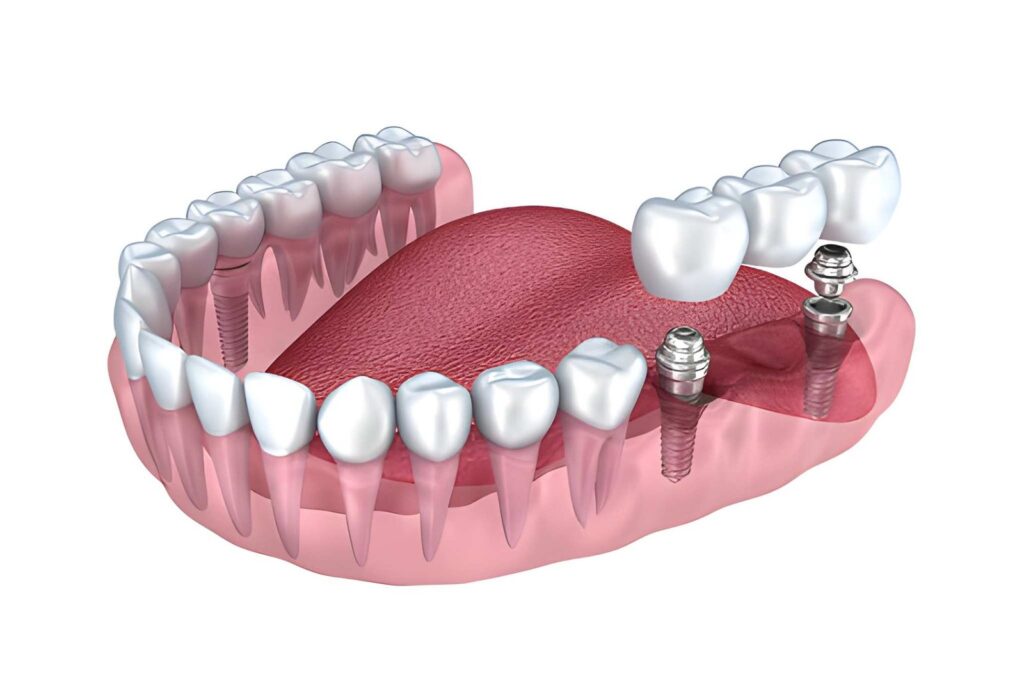
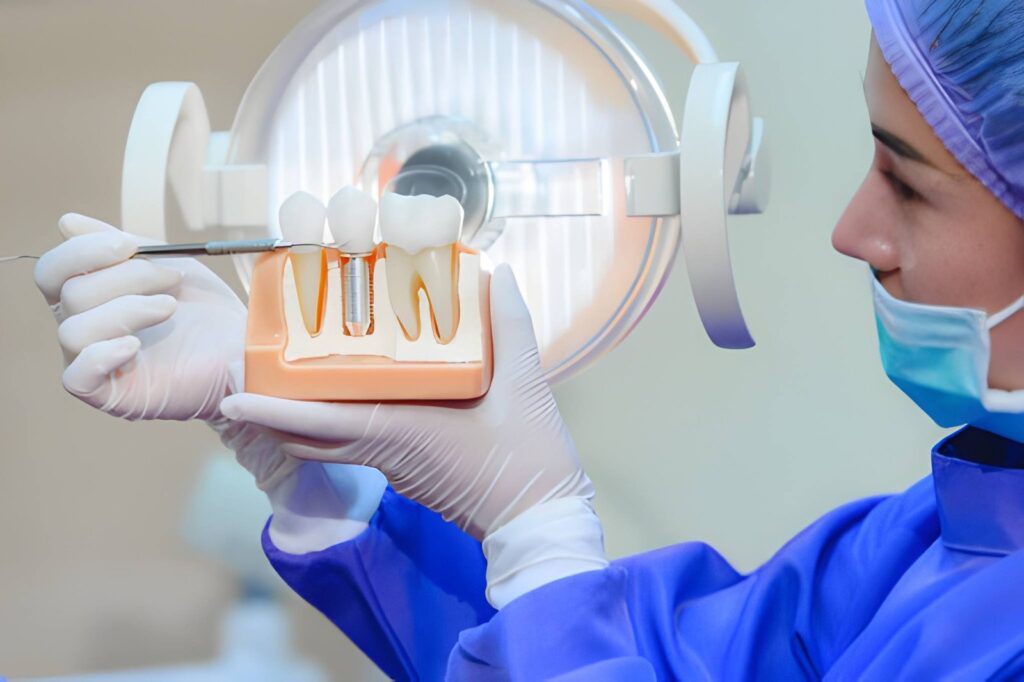
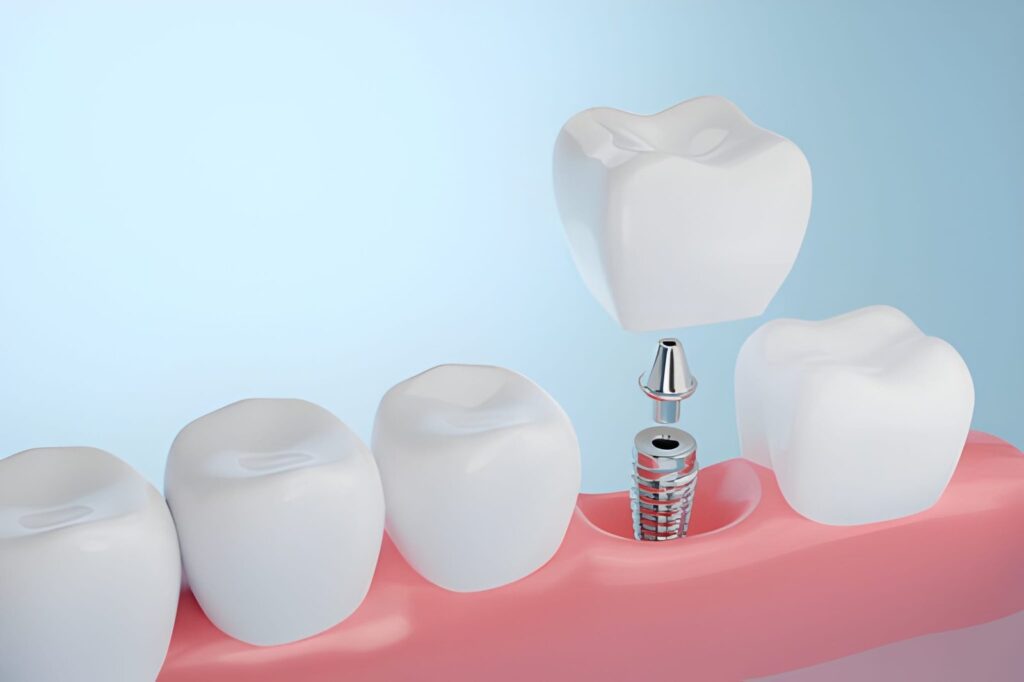
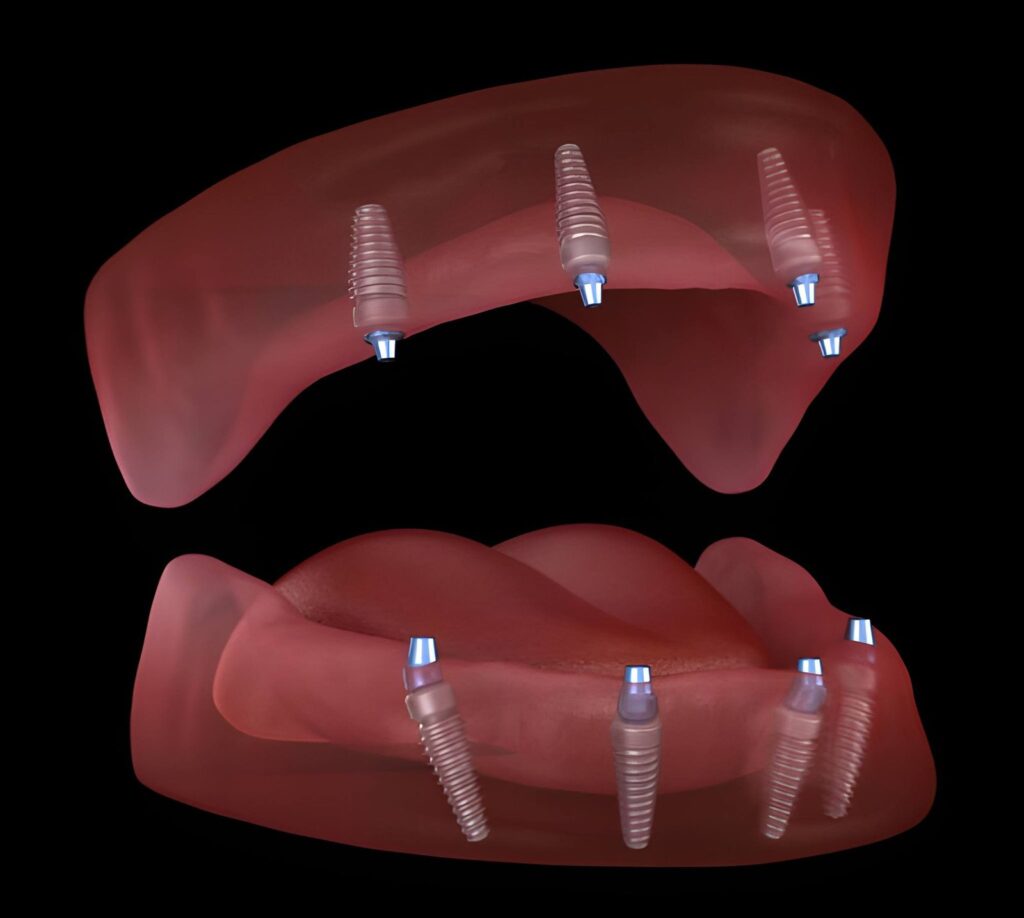
All-on-4 dental implants are a full-arch tooth replacement solution that uses four titanium posts embedded into the jawbone to support a fixed prosthesis. They provide a strong, stable foundation for artificial teeth, restoring biting power and natural appearance. This technique often eliminates the need for bone grafting, making it a popular choice for complete smile restoration.
Why Does Food Get Stuck Under All-on-4 Dental Implants?
The design of All-on-4 implants leaves a small gap between the prosthesis and the gums to allow for cleaning access. However, this space can trap bits of food, especially during complex meals. Factors such as implant placement, gum contour, or prosthesis shape can influence how easily debris becomes lodged.
What Kind of Food Gets Stuck Under Dental Implants?
Sticky, fibrous, or seedy foods are the most common culprits. Items like popcorn, nuts, seeds, spinach, meat fibres, and chewy bread can cling to the edges or get trapped beneath the structure. Eating smaller bites and chewing evenly can help reduce this issue.
What Are the Risks When Food Gets Stuck Under Implants?
Trapped food can cause several complications if not promptly removed. These include bad breath, gum inflammation, soreness, and bacterial build-up. Over time, poor cleaning can lead to peri-implantitis — an infection that affects the tissues around the implants and may result in bone loss.
What does no one tell you about dental implants?
Can Poor Implant Placement Cause Food Entrapment?
Yes. If implants are placed too shallowly or at an improper angle, gaps may form that increase food entrapment. Working with an experienced implant dentist helps ensure proper alignment and a snug fit between the bridge and the gum line for easier maintenance.
How to Prevent Food from Getting Stuck Under Dental Implants
Preventing trapped food requires regular cleaning and smart eating habits. Start by rinsing your mouth after every meal, maintain consistent brushing, and use special cleaning tools designed for implant prostheses. Regular dental check-ups ensure that any fit issues are spotted early and adjusted as needed.
What Tools Help Remove Food Particles from All-on-4 Implants?
Useful cleaning tools include interdental brushes, soft toothbrushes, floss threaders, and water flossers. A gentle stream from a water flosser can dislodge particles beneath the bridge without causing irritation. Always use non-abrasive products to avoid scratching the surface of the prosthesis.
When Should You See a Dentist for Food Getting Stuck?
If food entrapment is frequent or causes persistent discomfort, redness, or swelling, it’s time to schedule a dental visit. Your dentist can assess the fit of your prosthesis, perform a professional cleaning, and make minor adjustments to improve your comfort and hygiene.
What does no one tell you about dental implants?
What to Know If You’re Considering All-on-4 Dental Implants
Before committing to All-on-4 treatment, understand that adapting to new implants takes time and care. You’ll experience a short adjustment period for speech and eating, but once healed, the stability and aesthetics are life-changing. Proper maintenance is essential to long-term success.
Is It Hard to Eat with All-on-4 Implants?
Initially, eating feels different due to your gums and jaw adapting to the implants. However, once fully healed, most patients regain strong biting ability and enjoy a wider range of foods compared to traditional dentures. Careful food choices during recovery ensure a smooth adjustment.
Why Do Dentists Put Restrictions After All-on-4 Implant Surgery?
Restrictions protect the surgical sites and ensure implants fuse properly with the bone. Limiting pressure and avoiding hard or sticky foods gives the implants the best chance to integrate effectively, ensuring long-term strength and stability.
Initial Recovery Period
The first few weeks after surgery are crucial. You’ll be advised to consume soft, non-chewy foods to avoid disturbing the healing tissues. Expect some mild tenderness and swelling that eases as the gums recover.
Importance of Diet Restrictions
Following dietary instructions reduces complications and speeds recovery. Avoid crunchy items like crisps or tough meats, which can cause irritation or unnecessary strain on the implants.
Healing Timeline
Healing typically spans three to six months, during which osseointegration — the bonding of the implants to the bone — occurs. As you progress, your dentist may adjust your diet to include firmer foods gradually.
Transition to Permanent Dentures
Once healing is complete, temporary prostheses are replaced with your permanent set. These are carefully fitted for optimal comfort, aesthetics, and function, allowing you to eat normally again.
Do you get temporary teeth while waiting for implants?
What to Eat After All-on-4 Dental Implants
Immediate Post-Surgery Diet: What to Expect
Immediately after surgery, focus on liquids and soft foods like smoothies, soups, mashed potatoes, and yoghurt. Avoid hot or spicy meals that could irritate the surgical sites.
Transitioning Back to Normal Eating Habits
Gradually reintroduce soft solids, then firm foods as your comfort improves. Always chew slowly and evenly to avoid overloading one side of the mouth.
Useful Tips for Easier Eating with All-on-4 Implants
- Start with soft foods: Ease your way into your new eating pattern.
- Chew gradually & evenly: Distribute pressure evenly across the implants.
- Avoid sticky & hard foods: Keep chewy sweets, hard nuts, and seeds off your initial diet list.
- Maintain good oral hygiene: Clean your mouth thoroughly after every meal.
- Stay hydrated: Hydration helps wash away small food particles and supports healing.
Can I have all my teeth removed and replaced with implants?
Conclusion
Food getting trapped under All-on-4 dental implants is common, but it’s easy to manage with the right techniques. Good oral care, regular check-ups, and proper eating habits will keep your implants clean and comfortable for years. If discomfort persists, don’t hesitate to speak to your dental team for professional advice and personalised solutions.
FAQs
Can I eat normally with All-on-4 dental implants?
Yes. Once healed, you can enjoy nearly all foods comfortably. Follow your dentist’s dietary guidance during the healing period.
Does food always get stuck under All-on-4 implants?
Some food debris may occasionally become trapped, but proper cleaning habits and regular maintenance minimise the issue.
How can I clean under my All-on-4 prosthesis effectively?
Use water flossers, interdental brushes, and non-abrasive toothpaste. Cleaning after every meal prevents irritation.
Is it hard to talk with All-on-4 dental implants?
Speech might feel different at first, but most patients adapt within a few days as the tongue adjusts to the new shape of the mouth.
What should I do if I feel discomfort around my implants?
Persistent discomfort or swelling may signal gum irritation or early infection. Contact your dentist promptly to get it checked.