What Is the Most Painful Part of a Dental Implant?
Dental Implants in Aberdeen are a reliable way to replace missing teeth, offering strength, stability, and a natural appearance. However, many patients understandably wonder how painful the procedure might be and which stage involves the most discomfort. The truth is that while some moments can be uncomfortable, most people report minimal pain thanks to modern anaesthesia, careful techniques, and proper aftercare.
Understanding Dental Implants
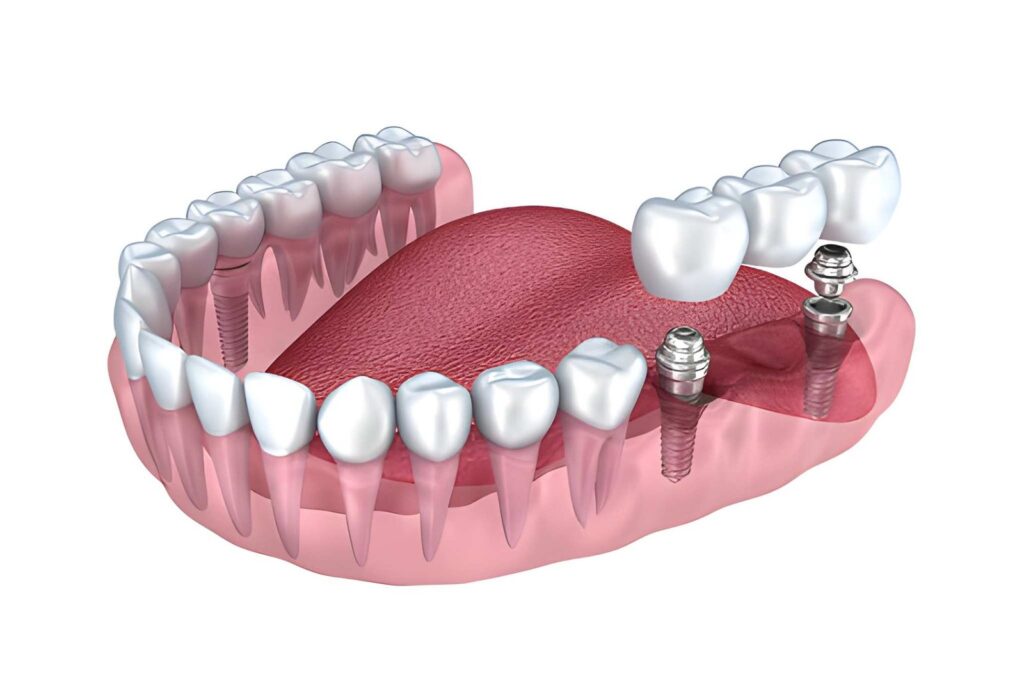
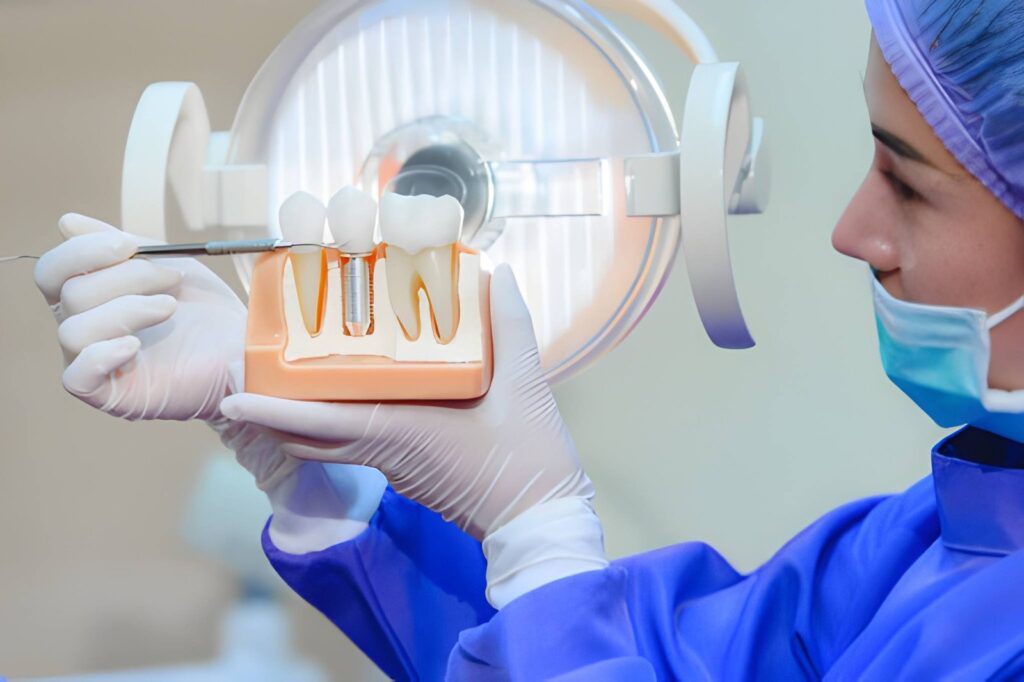
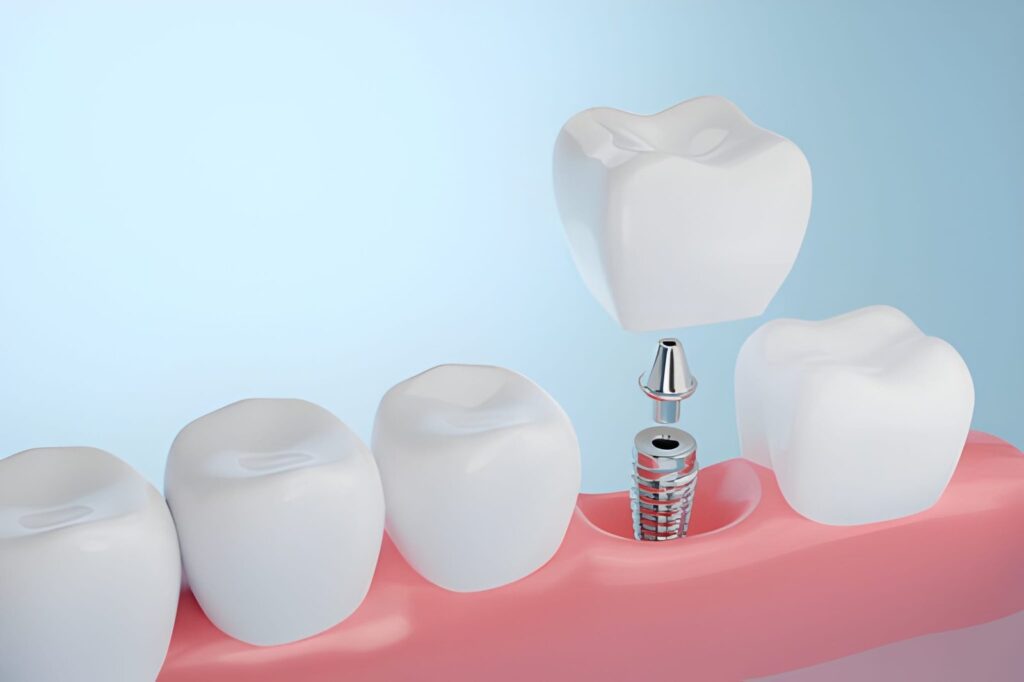
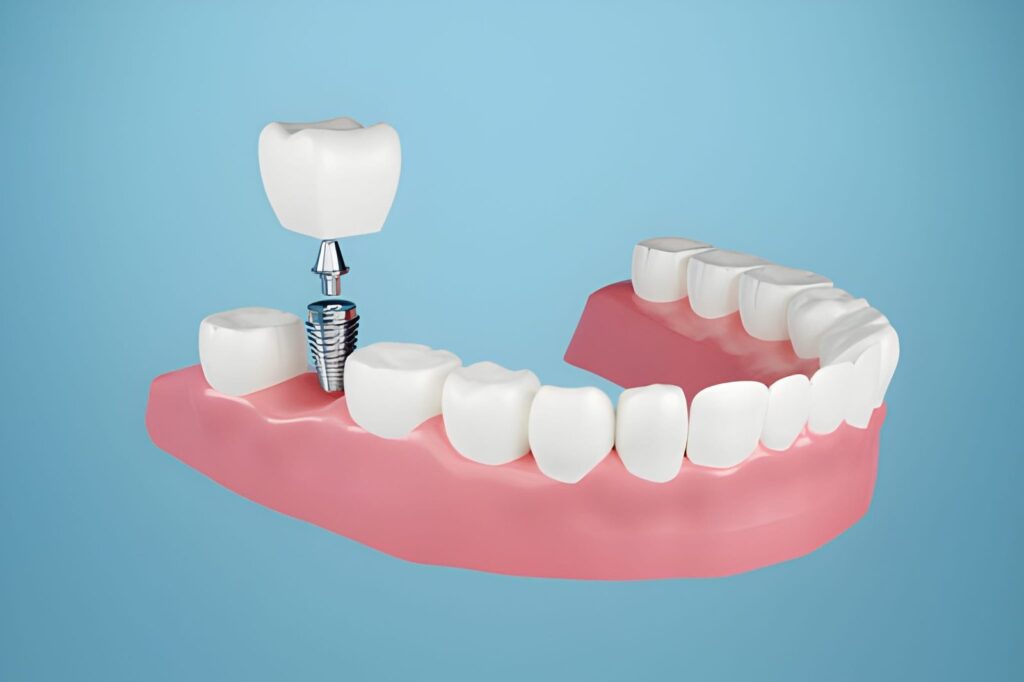
A dental implant is a titanium post that acts as an artificial tooth root. Once it fuses with the jawbone, an abutment and crown are added to complete the tooth replacement. The procedure not only restores function but also prevents bone loss and supports long-term oral health.
What Are Dental Implants Made Of?
Most implants are made from biocompatible titanium, which integrates with the bone in a process called osseointegration. Some alternatives use zirconia, offering a metal-free option for patients with sensitivities.
How Do Dental Implants Work?
The implant acts as a stable foundation for a crown or bridge. Once it fuses securely to the bone, it functions much like a natural tooth root, providing strength for chewing and speaking with confidence.
What does no one tell you about dental implants?
The Dental Implant Process
The treatment involves several stages, each crucial to the overall success and comfort of the procedure.
Initial Consultation
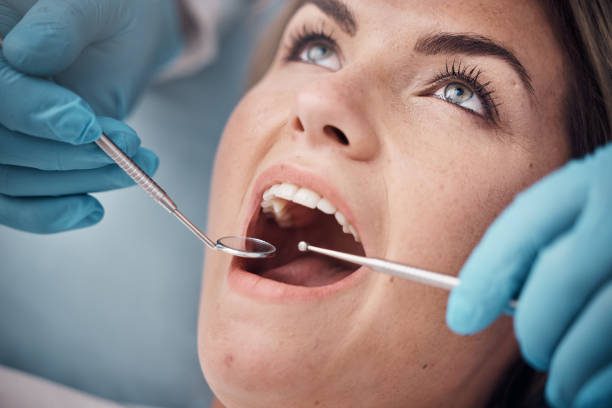
During your consultation, dental professionals assess your oral health, take X-rays or scans, and discuss a tailored treatment plan. This stage is completely painless and ensures you understand what to expect.
Preparatory Work
Sometimes preparatory treatment is needed to strengthen the jawbone or remove a failing tooth. If the bone is too thin or weak, a bone graft may be required before implant placement.
The Implant Surgery
The surgical placement of the implant is typically performed under local anaesthetic. Patients feel pressure rather than pain. Some experience mild soreness once the anaesthetic wears off, but this is usually manageable with over-the-counter pain relief.
Healing Period
Healing is the longest stage, lasting several months as the implant integrates with the bone. There can be mild tenderness, especially in the days following surgery, but this decreases as the area heals.
Attaching the Abutment and Crown
Once healed, a small connector piece called an abutment is attached to the implant, followed by the custom-made crown. This final stage involves minimal discomfort and leads to a fully restored smile.
Pain Points in the Process
While pain is subjective, some stages may cause short-term sensitivity.
Bone Grafting
If bone grafting is needed, mild discomfort is expected for a few days while the bone heals. Your dentist will provide guidance on managing these symptoms effectively.
Implant Surgery
Most patients report sensations of pressure rather than pain during surgery. After the procedure, mild swelling or bruising can occur, which subsides within a few days.
Healing Phase
This stage can include slight tenderness as tissues adjust and osseointegration progresses. Proper rest and good oral hygiene help speed recovery.
Placing the Abutment
Attaching the abutment is minimally invasive. Some gum sensitivity might occur, but this is generally mild and short-lived.
What is the 3/2 rule for dental implants?
Managing Pain Effectively
Managing discomfort is simple when you follow professional advice and take sensible precautions.
Over-the-Counter Pain Relief
Non-prescription pain medications are effective in alleviating mild soreness. Always follow dosage recommendations provided by your dental team.
Follow Your Dentist’s Advice
Adhering to post-operative instructions helps prevent complications. This may include avoiding hard foods and maintaining gentle oral hygiene during healing.
Rest and Diet
Get plenty of rest following surgery. Soft foods such as soups, yoghurts, and smoothies are ideal until chewing feels comfortable again.
Ice Packs
Ice or cold compresses applied to the cheek for short intervals help reduce swelling and ease tenderness during the first 24 hours after surgery.
Can I get a full set of dental implants on the NHS?
Benefits of Dental Implants
Despite short-term discomfort, dental implants offer impressive long-term advantages. They look, feel, and function like natural teeth, maintain bone structure, and restore confidence in your smile. Once fully healed, implants are virtually indistinguishable from natural teeth in both performance and comfort.
How Your Dental Implant Dentist Can Help Minimise Pain and Discomfort
Your dental professional will use careful techniques and advanced tools to ensure comfort at every stage. Sedation options are available for nervous patients, making the procedure more relaxed and stress-free.
Overcoming Dental Fears with Sedation Dentistry
Fear of pain often prevents people from seeking treatment. Sedation dentistry provides reassurance, reducing anxiety and helping patients remain calm throughout the procedure. This makes the experience smoother and more positive overall.
How long do you go without teeth when getting implants?
Why Choose Expert Implant Care
When considering dental implants, choosing an experienced specialist makes all the difference. At Cove Dental and Implant Centre, expertise and precision are at the heart of every treatment. Proper implant placement not only improves long-term success rates but also helps reduce healing time and enhances overall comfort during recovery.
Results and What to Expect Afterwards
Once the process is complete, patients enjoy a fully functional, natural-looking tooth replacement. Any temporary discomfort fades quickly, leaving lasting results that contribute to better oral health and quality of life.
FAQs
How painful is dental implant surgery?
During the procedure, local anaesthetic prevents pain. You may experience mild soreness afterwards, similar to a tooth extraction, which eases within a few days.
How long does it take for dental implant pain to go away?
Most discomfort subsides within three to five days, with full healing taking several months as the implant integrates with the bone.
Do I need sedation for dental implants?
Sedation is optional. Many patients have implants placed comfortably under local anaesthetic alone, though sedation can help relieve anxiety for longer or more complex cases.
Can I eat normally after dental implant surgery?
You should eat soft foods for the first few days and gradually return to your usual diet once comfort allows. Avoid chewing directly on the implant site initially.
Are dental implants more painful than tooth extractions?
In most cases, patients find dental implants no more painful than a tooth extraction. Post-surgery discomfort is mild and easily managed with simple home care and medication.
Ready to restore your smile with confidence? Schedule your consultation today and take the first step towards a comfortable, natural-feeling dental implant.