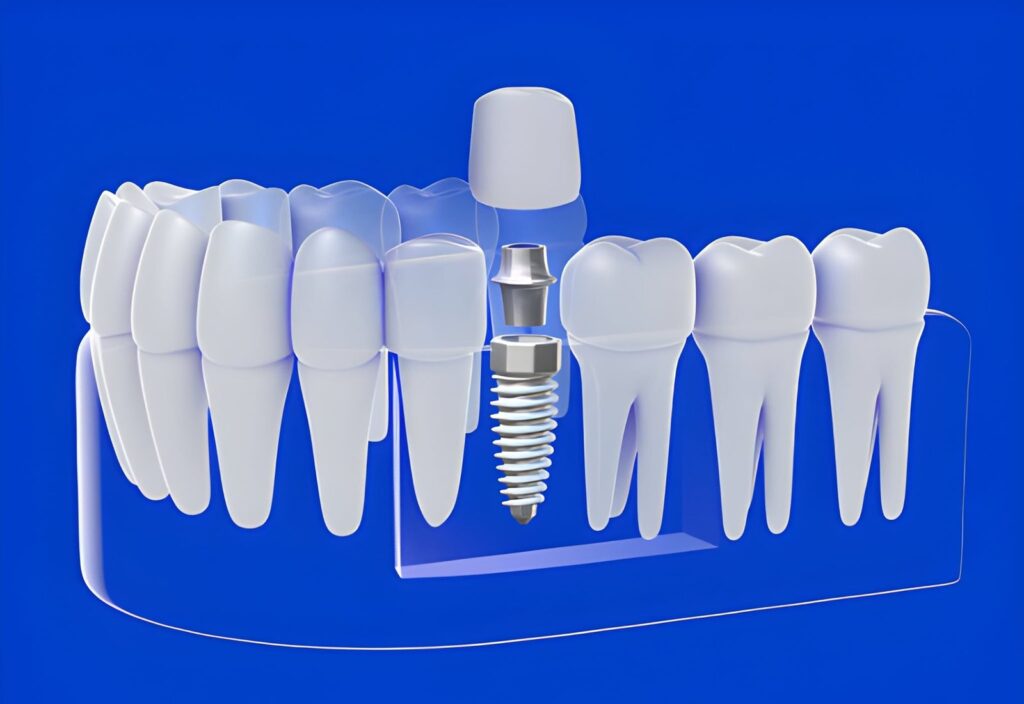
The Truth About Dental Implants
Dental implants in Aberdeen have transformed modern dentistry, providing a secure, natural-looking solution to missing teeth. Yet, while they are well-known for their aesthetic and functional benefits, there’s still much that patients are rarely told. This comprehensive guide uncovers everything you should know before getting implants — from how they work, to healing, longevity, and beyond.
They Feel Just Like Real Teeth
One of the most appealing aspects of dental implants is how realistic they feel. Because the implant is anchored directly into your jawbone, it mimics the structure of a natural tooth root. This gives you the stability and sensation you’d expect from real teeth, allowing you to speak, chew, and smile with complete confidence.
The Role of Dental Implants in Jawbone Health
They Help Preserve Your Jawbone
When a tooth is lost, the jawbone beneath it begins to deteriorate due to lack of stimulation. Dental implants halt this process by stimulating the bone in the same way as natural tooth roots. This not only preserves bone density but also helps maintain the shape and strength of your jaw over time.
The Impact on Bone Density and Jaw Health
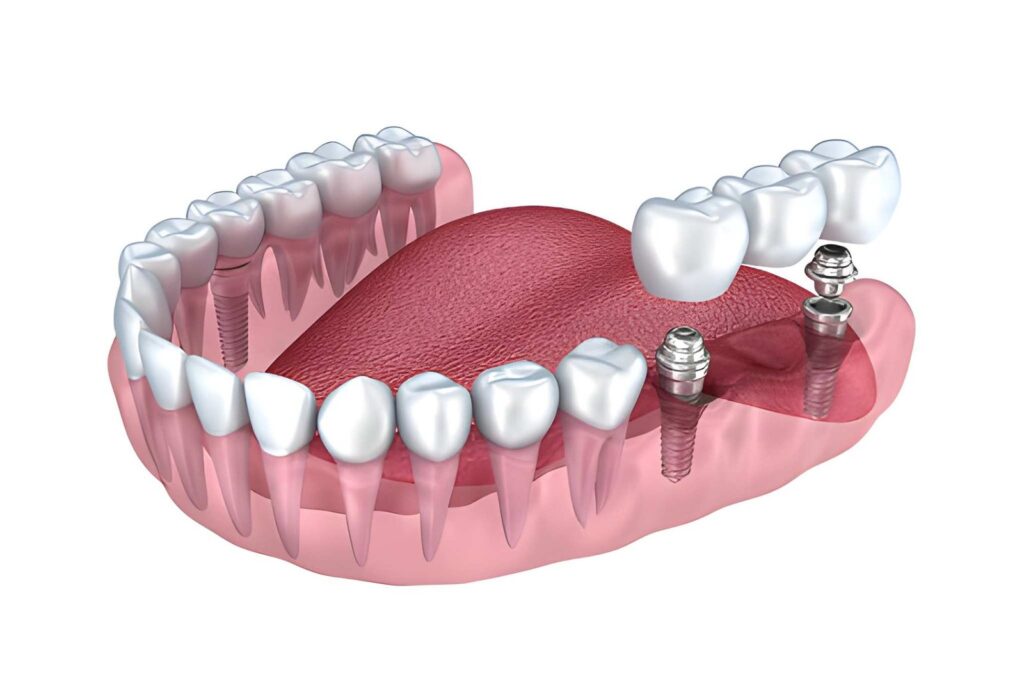
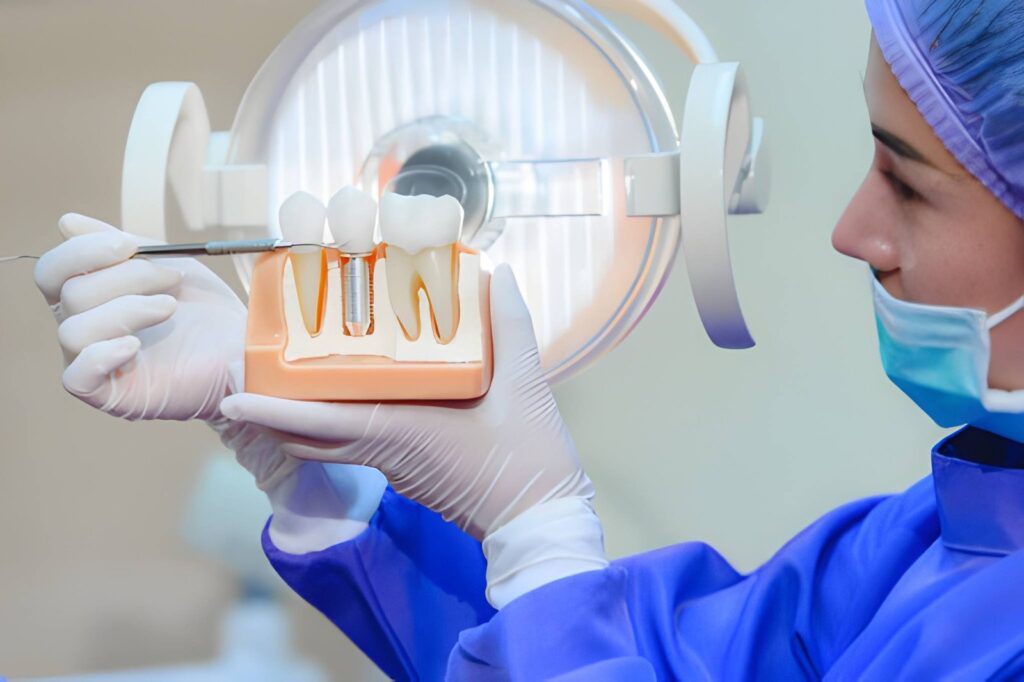
Unlike dentures that simply rest on the gum surface, implants integrate with your bone through a process called osseointegration. This fusion encourages continual bone maintenance and prevents the sunken facial appearance often associated with tooth loss.
Why Are Dental Implants the Preferred Solution in Aberdeen? All You Need to Know
Dental Implants vs. Natural Teeth – Key Differences
While implants are designed to replicate the function and appearance of real teeth, there are notable differences. Implants are immune to decay and won’t develop cavities, though they still require excellent oral hygiene to prevent gum infections. They also provide remarkable bite strength, often surpassing that of traditional dentures or bridges.
Common Myths About Dental Implants
Despite their popularity, misconceptions persist. Some believe implants are painful to get — in reality, modern implant procedures are well-planned and performed under local anaesthesia, ensuring minimal discomfort. Others think they’re only for older adults, when in fact, anyone with healthy gums and adequate bone density can be a candidate.
What is the 3/2 rule for dental implants?
How Dental Implants Restore Oral Health
Dental implants restore more than just your smile; they revitalise oral function. By maintaining your natural dental alignment, they protect surrounding teeth and promote long-term mouth health. Unlike removable prosthetics, implants integrate seamlessly for improved comfort and confidence.
Why Implants Are Better Than Artificial Teeth Alternatives
Traditional dentures and bridges can shift, cause discomfort, and may need frequent replacement. Dental implants, however, provide a secure, permanent alternative that doesn’t rely on neighbouring teeth for support. They offer superior stability, easier maintenance, and a natural appearance that blends perfectly with your existing teeth.
Can I get a full set of dental implants on the NHS?
What You Should Know About the Healing Process
What Healing After Dental Implants Feels Like
Initially, mild tenderness or swelling is expected as the implant site begins to heal. Over the next few months, the implant fuses with your jawbone, forming a durable foundation for your new tooth. During this time, your dentist will monitor progress to ensure everything integrates correctly.
Why Patience Pays Off During Recovery
The healing process is gradual but essential. Rushing the treatment can compromise results, whereas taking time ensures successful osseointegration. Most patients find the wait worthwhile, as the outcome is a secure, flawless replacement that functions just like the real thing.
How long do you go without teeth when getting implants?
Advanced Options Beyond Traditional Implants
Exploring All-on-4 Full Mouth Implants
For those missing most or all of their teeth, All-on-4 implants provide an efficient, fixed replacement option. Using four carefully positioned implants, your dentist can secure an entire arch of prosthetic teeth that look and feel completely natural.
Zygomatic Implants for Severe Bone Loss
When the upper jaw lacks sufficient bone for standard implants, zygomatic implants can be placed in the cheekbone area instead. This innovative option allows patients previously told they aren’t candidates to enjoy the benefits of fixed teeth.
Zirconia Fixed Bridges for Aesthetic Excellence
Zirconia bridges offer exceptional strength and lifelike translucency. They are metal-free, stain-resistant, and ideal for patients seeking a long-lasting and visually pleasing solution.
Can I have all my teeth removed and replaced with implants?
Are Dental Implants Right for You?
Factors to Consider Before an Appointment
Before getting implants, your dentist will evaluate your bone structure, gum health, and overall oral hygiene. Non-smokers with good health typically experience the best outcomes, but even those with minor bone loss can often be treated using advanced grafting techniques or specialised implants.
The Role of Your Dentist in Guiding the Process
Your dentist plays a critical role from assessment to final placement. They will tailor your treatment plan, ensure optimal implant placement, and provide support throughout healing. Choosing a knowledgeable and trusted professional guarantees both comfort and lasting success.
They’re Easy to Care For
Maintaining your implants is simple. Daily brushing, flossing, and regular check-ups keep them in optimal condition. Since they’re securely rooted, there’s no need for adhesives or special cleaning solutions—just the same care you give to your natural teeth.
They Can Boost Your Confidence
Dental implants don’t just improve your bite; they transform your entire outlook. With a full, natural-looking smile, you can speak and eat freely without worrying about slips or gaps. Many patients report a significant boost in self-esteem after treatment.
The Results Are Built to Last
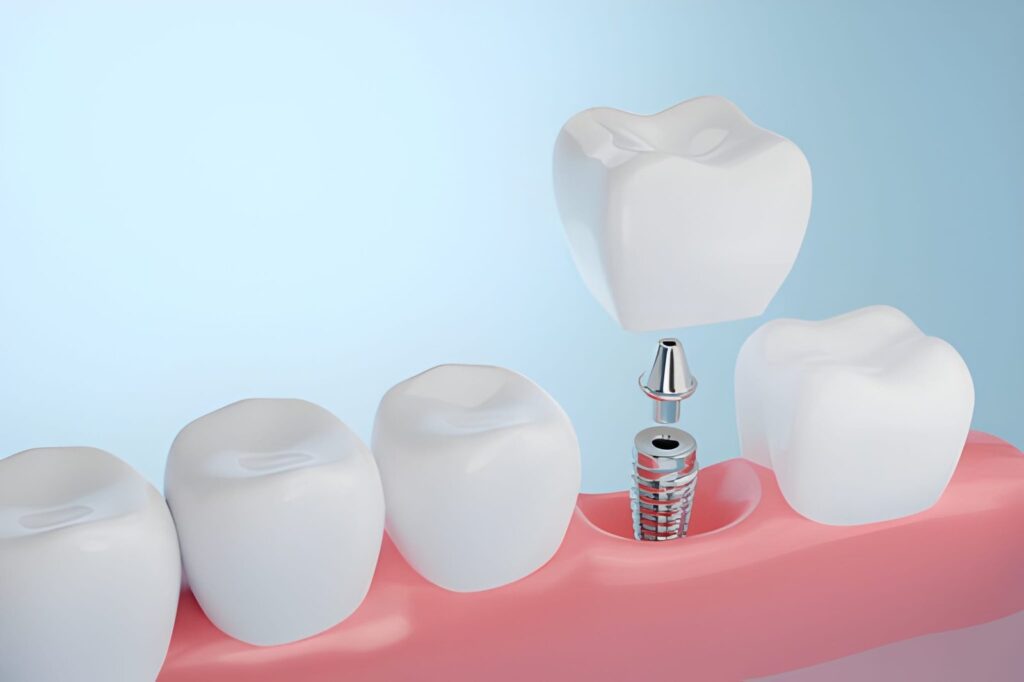
When cared for properly, dental implants can last for decades. The titanium post provides unmatched durability, while the crown or bridge remains strong and beautiful. Unlike other restorations that may weaken over time, implants are designed for longevity.
The Best Age for Dental Implants: What Aberdeen Dentists Recommend
Long-Term Benefits of Dental Implants for Oral Health
Improved Functionality and Natural-Looking Results
Implants restore full chewing function, allowing you to enjoy foods you may have avoided with missing teeth. The natural appearance of the restoration ensures your smile looks complete and unnoticeably enhanced.
How Implants Protect Healthy Teeth
Because implants don’t rely on neighbouring teeth for support, they preserve natural enamel and reduce stress on the rest of your smile. This complements your overall dental stability and extends the longevity of surrounding teeth.
Why Choose Us for Dental Implants in Arvada
Choosing the right dental team ensures precision, comfort, and long-term satisfaction. Our patient-focused approach combines advanced techniques, compassionate care, and state-of-the-art technology for outstanding implant outcomes.
Conclusion: The Truth About Dental Implants
At Cove Dental and Implant Centre, we believe dental implants are more than just a cosmetic upgrade — they are a life-changing, health-boosting solution designed for comfort and longevity. From preserving jawbone structure to restoring natural function, the benefits are both lasting and transformative. If you’re ready to regain your confidence and maintain optimal oral health, dental implants may be the ideal long-term solution for you.
FAQs
1. How long do dental implants typically last?
With proper oral hygiene, dental implants can last 20 years or more. Many patients find they last a lifetime when routine check-ups are maintained.
2. Is the implant procedure painful?
The procedure is usually carried out under local anaesthesia, so you won’t feel pain during treatment. Mild discomfort afterward is normal and can be managed with standard pain relief.
3. Can anyone get dental implants?
Most healthy adults are eligible. Your dentist will check bone density, gum health, and overall oral condition to determine if implants are right for you.
4. How long does it take to heal after implant surgery?
Healing typically takes between three to six months, depending on your individual bone health and treatment plan. The time allows for full integration of the implant with your jawbone.
5. What is the best way to care for implants?
Brush and floss daily, attend regular hygiene appointments, and avoid smoking. Follow your dentist’s guidance to protect both your implants and natural teeth.
Ready to experience the lasting benefits of dental implants? Book a consultation today and take the first step towards restoring your smile with confidence.