What Is the 3/2 Rule for Dental Implants?
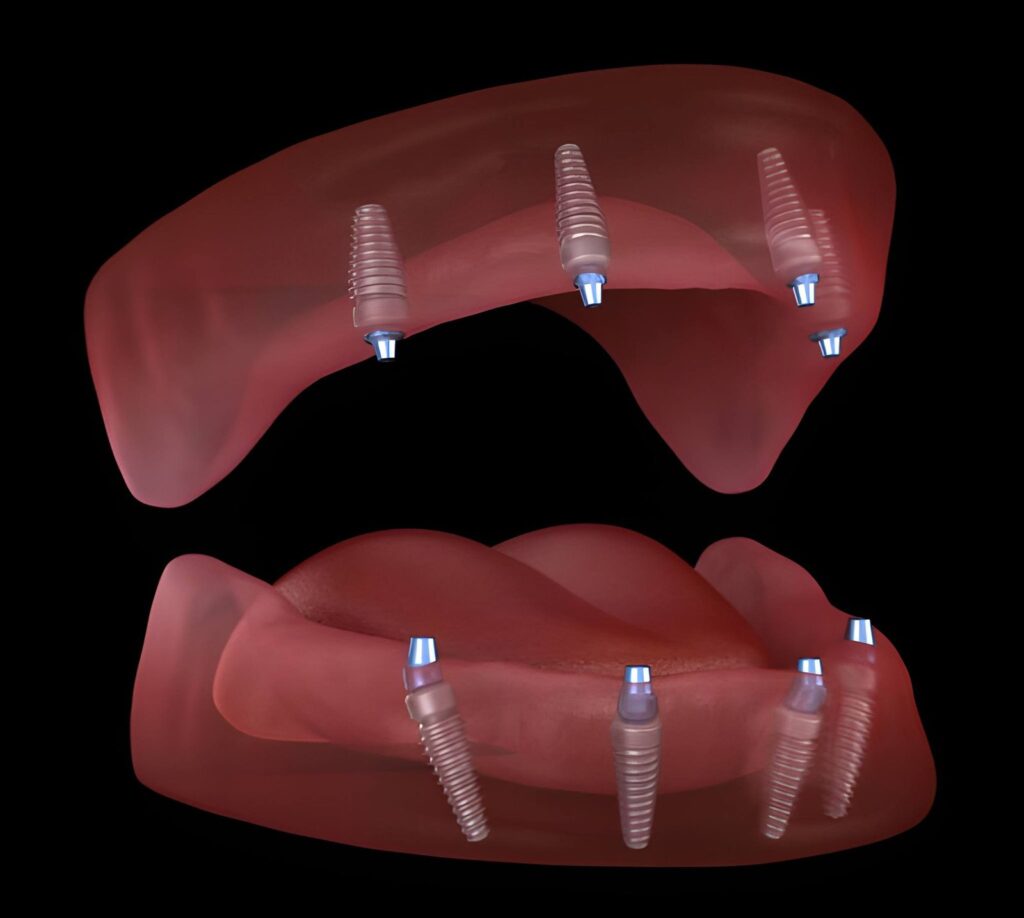
The 3/2 rule in dental implants refers to precise spacing and positioning standards that guide implant placement for optimal function and longevity. The rule’s fundamentals ensure balanced load distribution, healthy gum tissue, and natural aesthetics, forming the cornerstone of successful restorative dentistry.
The 3mm and 2mm Guidelines Explained
The rule combines two key measurements:
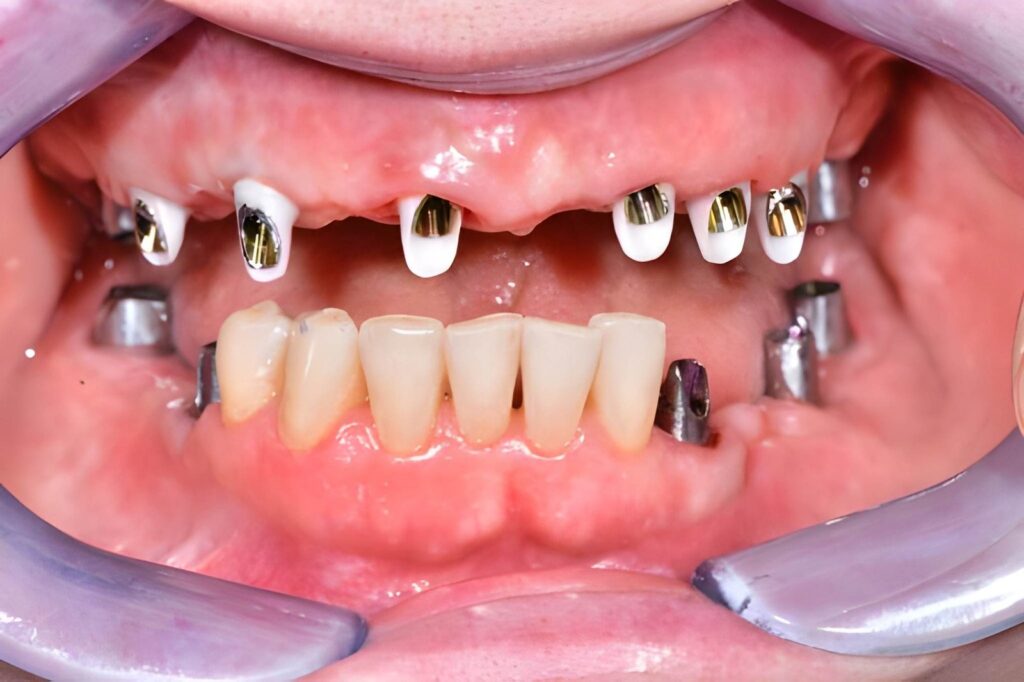
- 3mm between adjacent implants – This space preserves sufficient bone and soft tissue to support natural gum contours and healthy blood flow.
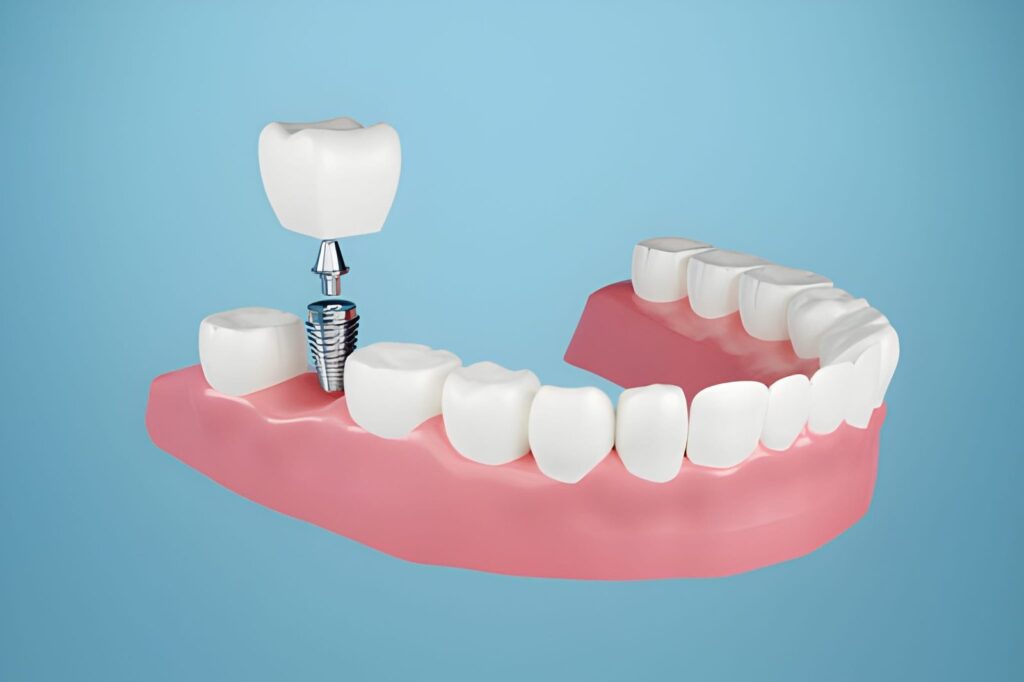
- 2mm between an implant and a natural tooth – This gap maintains bone integrity around the tooth root and prevents unnecessary damage to periodontal fibres.
Together, these dimensions balance aesthetics and biomechanics, ensuring implants integrate harmoniously with existing dental structures.
Can I get a full set of dental implants on the NHS?
Why the 3/2 Rule Matters in Implant Dentistry
The 3/2 rule is more than a guideline—it’s a scientific approach that dictates predictable outcomes. When the rule is followed, implants fuse effectively with the bone and perform as natural teeth would. Proper spacing helps prevent bone resorption, gum recession, and aesthetic imperfections such as irregular gum lines or dark inter-implant triangles.
Biomechanics and Implant Longevity
Implants rely on mechanical stability and even load distribution. When the 3/2 rule is applied, biting forces spread evenly across all implants, significantly reducing stress on surrounding bone. This structural balance directly enhances implant survival rates and long-term comfort.
How long do you go without teeth when getting implants?
Proper Placement and the Science Behind It
Implant success depends on precision. Dentists use digital scans, cone beam CT technology, and custom surgical guides to measure and map placement according to each patient’s bone density and anatomy. The 3/2 rule acts as a spatial blueprint during this planning process, aligning implants to promote both stability and aesthetic harmony.
How Dentists Measure and Apply the 3/2 Rule
Specialised imaging tools help dentists identify safe distances between natural roots, nerves, and adjacent implants. These measurements influence implant diameter and angulation, enabling accurate placement while maintaining soft tissue support. Digital planning software ensures these values are consistently met for a symmetrical and natural smile.
How Much For A Single Tooth Implant in The Aberdeen?
When Bone Grafting Becomes Necessary
If bone volume is insufficient to meet the 3/2 rule, bone grafting may be recommended. This procedure builds up bone tissue to provide a sturdy foundation for implants. Proper grafting ensures the right spacing can be achieved, thereby maintaining long-term implant stability and gum contour.
Aesthetic and Functional Benefits of Following the Rule
Respecting the 3/2 rule enhances both the appearance and performance of your smile. It allows for:
- Symmetrical gum lines and natural tooth proportions
- Comfortable bite alignment and proper load distribution
- Preserved bone levels and soft tissue health
The result is a radiant smile that functions naturally while providing the durability expected from high-quality dental restorations.
Can I have all my teeth removed and replaced with implants?
Why Some Clinics Ignore the 3/2 Rule
Lower-cost clinics sometimes reduce spacing to fit more implants into a limited area, which can lead to long-term complications. Insufficient spacing may trigger gum inflammation, compromised bone support, or an unnatural appearance. Always ensure your dental provider follows spatial principles that safeguard both aesthetics and longevity.
Extending Beyond the 3/2 Rule
While the 3/2 rule forms the foundation for implant success, other factors also play vital roles—such as implant type, surface texture, patient bone quality, and oral hygiene habits. Regular maintenance visits and professional cleanings are essential to prevent peri-implant diseases and ensure lasting results.
Maintenance Tips for Long-Term Success
Even well-placed implants require consistent care. To protect your investment:
- Brush twice daily using a soft-bristled brush
- Use floss or interdental brushes around implants
- Schedule routine dental check-ups
- Avoid smoking, as it impairs healing and bone health
- Follow post-surgery instructions carefully
Does food get under All-on-4 implants? Compete Guidance
Investment in Your Smile
Dental implants guided by the 3/2 rule are an investment in both health and aesthetics. While the upfront cost can vary based on complexity and materials, properly planned implants save significant expense by reducing the risk of failure and corrective procedures.
Choosing the Right Dental Implant Team
Selecting an experienced dental implant provider is crucial. Look for clinics that utilise 3D imaging, adhere to clinical best practices like the 3/2 rule, and provide comprehensive aftercare. A meticulous approach ensures your smile feels comfortable, looks natural, and lasts for many years to come.
Summary
The 3/2 rule for dental implants defines precision in modern implant dentistry. It ensures predictable outcomes, promotes long-term stability, and achieves a strikingly natural result. By integrating this rule into treatment planning, dental surgeons secure both beauty and biomechanical strength for every patient.
FAQs
1. What happens if the 3/2 rule is not followed?
Poor spacing can lead to bone loss, gum irritation, and aesthetic issues, potentially compromising implant success.
2. Is the 3/2 rule relevant for all types of dental implants?
Yes, though implant systems may slightly differ, the underlying biomechanical principles of proper spacing remain universally applicable.
3. How do dentists check spacing accuracy before surgery?
Advanced digital scans and surgical planning software enable precise measurements and visualisations before implant placement.
4. Can bone grafting correct spacing problems?
In many cases, yes. Bone grafting increases bone volume so the correct spacing can be achieved safely and predictably.
5. How long do implants last when spaced correctly?
With proper care and adherence to spacing rules, dental implants can last several decades or even a lifetime.
Ready to restore your smile with precision and confidence? Schedule your consultation today and discover how expertly placed implants can transform your oral health.