Many people worry about being left without teeth when preparing for dental implants. The good news is that most patients do not have to live without a smile during the implant process. This guide explains how long treatment takes, what temporary tooth options are available, and how the full implant journey works, so you can feel confident and informed throughout your treatment.
What Are Dental Implants?
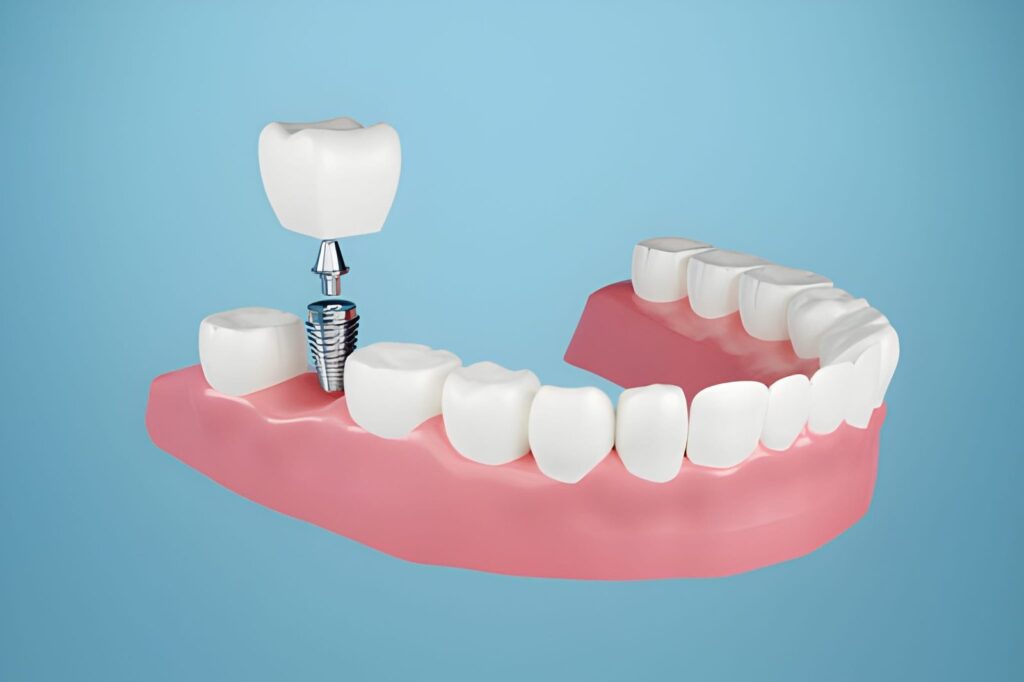
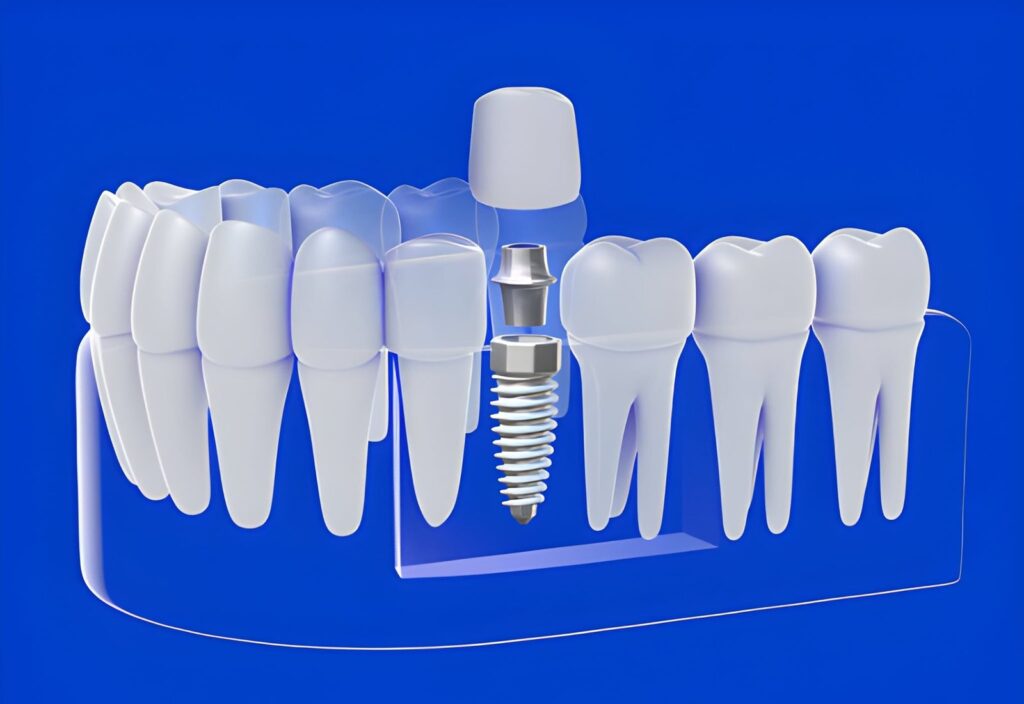
The best dental implants in Aberdeen use artificial tooth roots, usually made from titanium or zirconia, that are placed into the jawbone to support crowns, bridges, or dentures. They provide a long-term solution for missing teeth by restoring both appearance and chewing function. When planned and placed correctly, implants are designed to feel as close as possible to natural teeth.
Are You a Suitable Candidate for Dental Implants?
Most people in good general and oral health can be suitable candidates. Adequate jawbone, healthy gums, and not smoking all improve success rates. Even if bone loss is present, additional treatments such as bone grafting may make implants possible.
A Long-Term Solution for Missing Teeth
The Dental Implant Treatment Timeline
Step 1: Initial Consultation (1–2 Visits)
Your treatment begins with a full assessment, including X-rays or scans and a review of your medical history. This helps plan the safest and most effective approach.
Step 2: Pre-Implant Procedures (If Required)
Tooth Extraction
If damaged or failing teeth need removal, they are usually extracted first. Healing may take several weeks.
Bone Grafting
If the jawbone needs strengthening, bone grafting may be required. Healing can take 4–6 months.
Step 3: Implant Placement Surgery
The implant is placed into the jawbone during a minor surgical procedure. This usually takes one to two hours per implant.
Step 4: Healing and Osseointegration
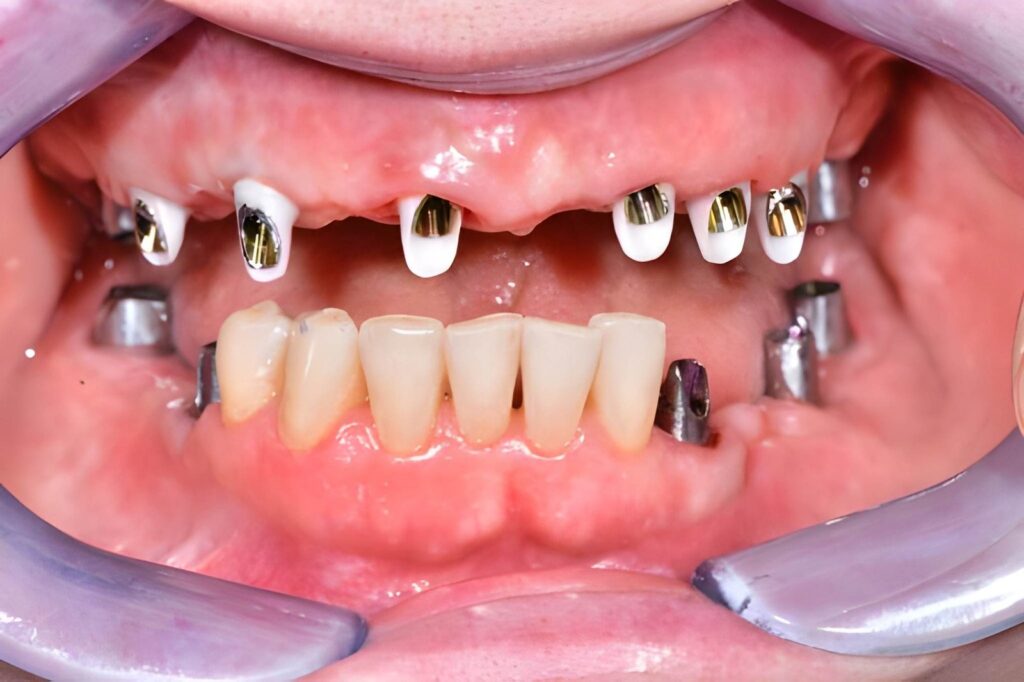
The implant bonds with the bone in a process called osseointegration. This phase typically lasts 3–6 months.
Step 5: Abutment Placement
Once healed, a small connector called an abutment is attached to the implant. This may require a short healing period.
Step 6: Final Restoration
A custom-made crown, bridge, or denture is fitted to restore full function and appearance.
Are Dental Implants Worth Having?
How Long Are You Without Teeth During Implant Treatment?
Typical Time Without Permanent Teeth
You may be without permanent teeth for a few weeks or months, depending on your treatment plan. However, most patients are provided with temporary teeth during this time.
Factors That Affect Timing
- Number and position of implants
- Bone quality and healing speed
- Need for extra procedures
- Overall oral health
Reducing Time Without Teeth
In some cases, immediate or same-day implants can significantly reduce waiting time. Following care instructions closely also supports faster healing.
What Happens Between Tooth Removal and Implant Placement?
After extraction, the gums and bone may need time to heal before implants are placed. This healing period can range from days to months. Temporary tooth replacements are commonly used during this stage.
Do You Get Temporary Teeth While Waiting for Implants?
Common Temporary Tooth Options
- Flipper Dentures – Lightweight removable dentures for one or a few missing teeth
- Essix Retainers – Clear trays with a false tooth, often used for front teeth
- Temporary Partial Dentures – Suitable for multiple missing teeth
- Temporary Crowns or Bridges – Sometimes fitted immediately, depending on the case
Are Temporary Teeth Always Provided?
In most cases, yes. Temporary solutions help maintain appearance, speech, and basic chewing while healing takes place.
How Long Will Temporary Teeth Be Worn?
Temporary teeth are usually worn for 3–6 months while implants heal. The exact duration depends on your individual treatment plan.
How Much For A Single Tooth Implant in The Aberdeen?
Caring for Temporary Teeth During Healing
- Clean removable appliances daily
- Avoid hard, crunchy, or sticky foods
- Brush gently around the gum area
- Follow all aftercare instructions carefully
Activity Restrictions During the Healing Period
You may need to avoid heavy chewing on the implant area, smoking, and strenuous exercise for a short time after surgery. These precautions help ensure proper healing.
Caring for Dental Implants Long Term
Daily Oral Care
Brush twice daily with a soft toothbrush and use floss or interdental brushes around implants.
Regular Dental Check-Ups
Routine professional cleanings and reviews help maintain implant health and longevity.
Protecting Your Implants
Use a mouthguard if you grind your teeth and avoid biting very hard objects such as ice.
Book Your Dental Implant Consultation in Aberdeen
If you are considering dental implants and want expert, personalised care, Cove Dental and Implant Centre is here to help. Our experienced team provides comprehensive implant assessments, clear treatment planning, and supportive aftercare to help you restore your smile with confidence. Contact us today to book your consultation and take the first step towards long-lasting, natural-looking dental implants.
Frequently Asked Question
Can I eat normally with temporary teeth?
You can eat soft foods, but avoid very hard or sticky items to prevent damage.
Will temporary teeth look natural?
Yes. Temporary restorations are designed to closely match your natural teeth.
Is fitting temporary teeth painful?
No. Mild discomfort may occur at first, but it usually settles quickly.
How soon after extraction can temporary teeth be fitted?
Often immediately or within a few days, depending on healing and treatment type.
Do temporary teeth affect implant healing?
When properly fitted, they do not interfere with healing and help maintain comfort and appearance.