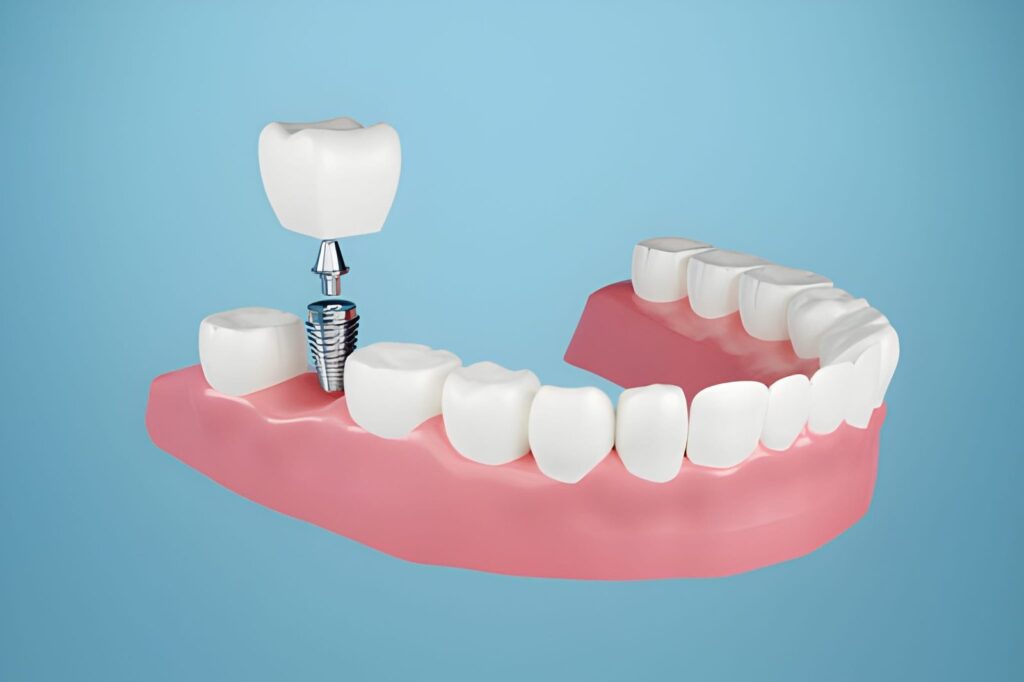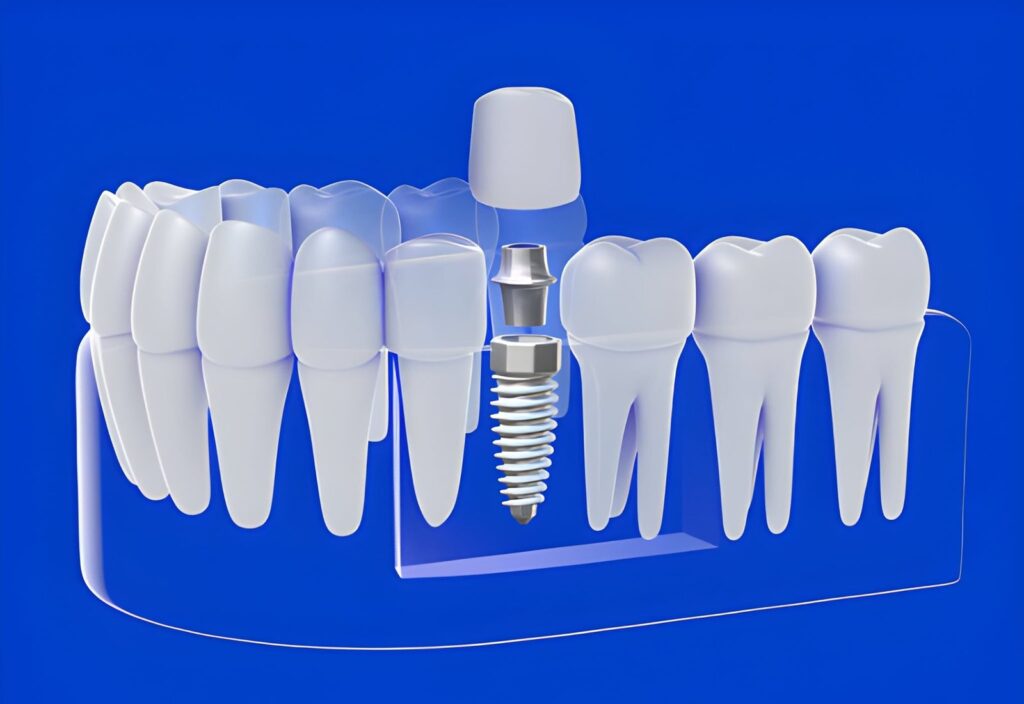
Dental implants are a long-term solution for replacing missing teeth, but receiving a full set through the NHS is uncommon. This guide explains when NHS dental implants may be approved, why many patients are declined, and what alternative treatment options may be available if NHS treatment is not suitable.
When Are Dental Implants Available on the NHS?
When searching for Best Dental Implants in Aberdeen, it is important to understand that dental implants are only provided on the NHS in exceptional circumstances. Approval is based on clinical necessity rather than appearance or personal preference. In most cases, implants are considered only when other appropriate dental treatments are not suitable.
Examples where NHS implants may be considered include:
- Tooth loss caused by serious trauma or injury
- Medical conditions or diseases that result in tooth loss
- Inability to tolerate dentures for physical or psychological reasons
- Severe oral structural problems requiring implant support
Tooth loss due to decay, gum disease, or ageing is not usually covered.
How Long Do You Go Without Teeth When Getting Implants?
NHS Eligibility Criteria for Dental Implants
Eligibility is decided following referral by an NHS dentist or hospital consultant. Each case is assessed individually and must meet strict clinical guidelines.
Common eligibility factors include:
- Proven inability to wear conventional dentures
- Significant facial trauma
- Congenital conditions such as cleft palate
- Tooth loss related to cancer treatment
Assessments often involve examinations, imaging, and review of medical and dental history.
A Long-Term Solution for Missing Teeth
Factors That May Affect NHS Approval
Even when clinical criteria are met, other health factors can influence approval:
- Stable gum health and good oral hygiene
- Well-managed medical conditions
- Adequate bone levels to support implants
These factors help determine whether implant treatment would be safe and successful.
Are Dental Implants Worth Having?
Why NHS Dental Implants Are Often Declined
Many patients do not qualify for NHS implant treatment because:
- Tooth loss does not significantly affect function or daily life
- Dentures or bridges are considered suitable alternatives
- Oral health is not stable enough for implant treatment
In these cases, alternative restorative options may be recommended.
Are Full-Arch or All-on-4 Implants Available on the NHS?
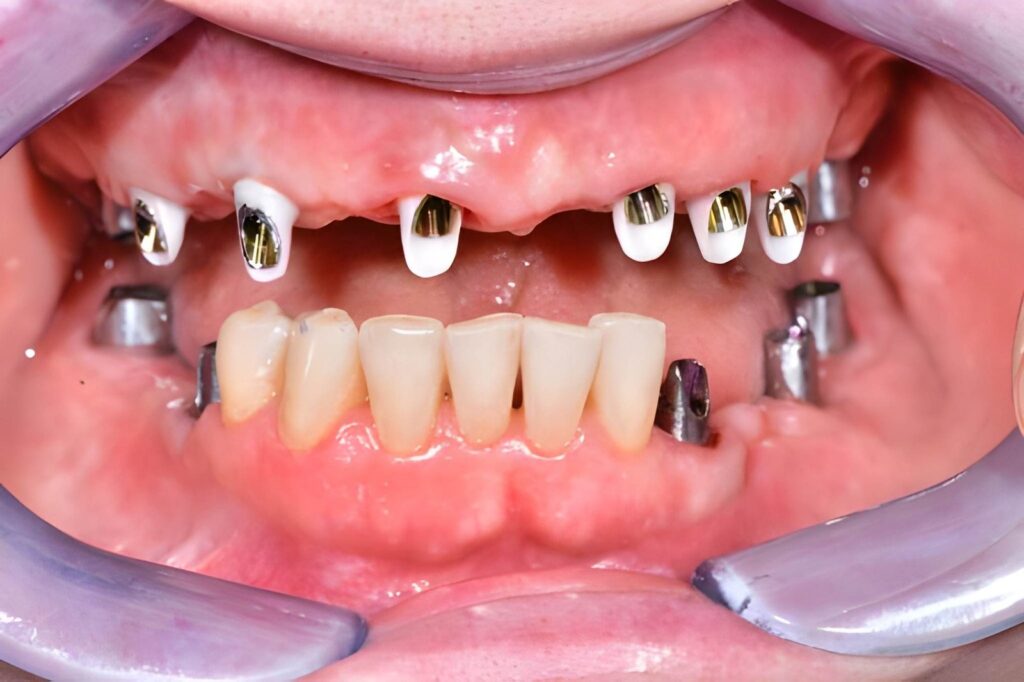
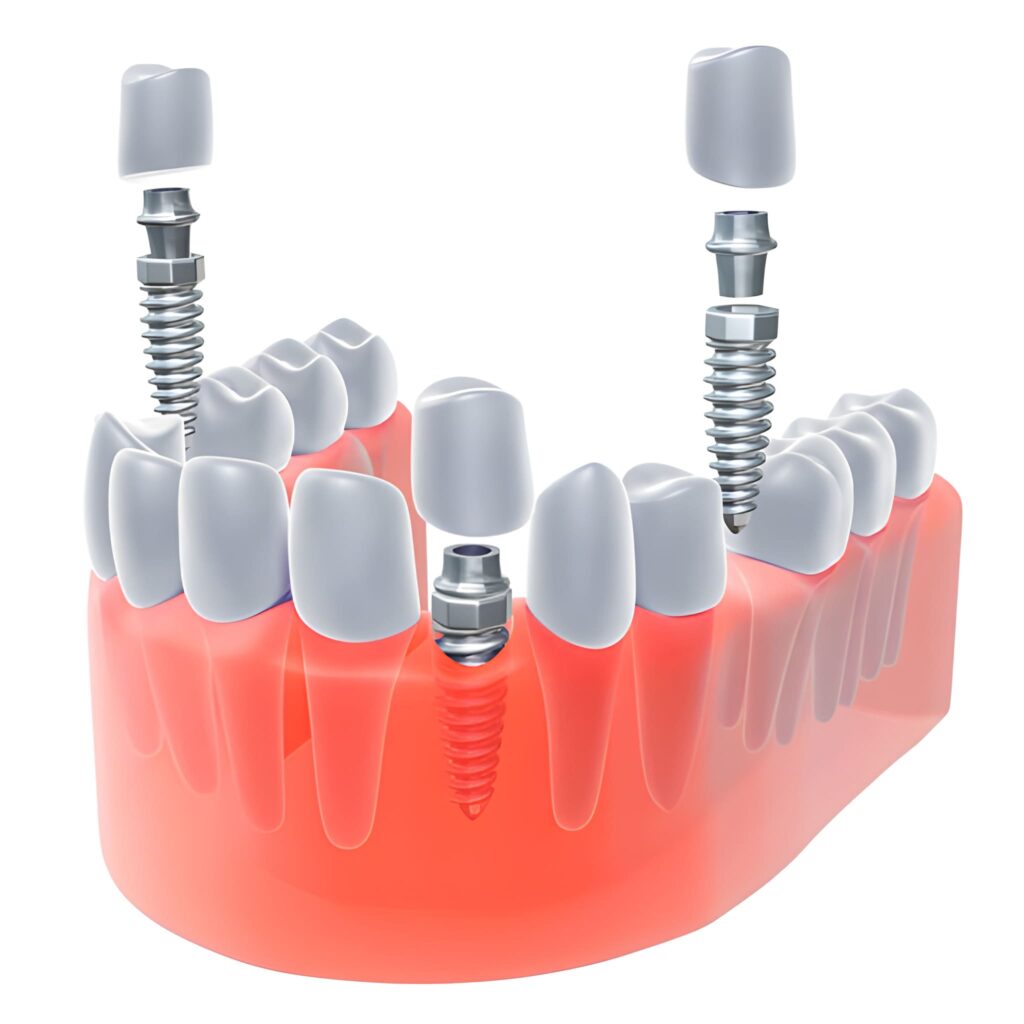
Full-arch implant systems, including All-on-4-style treatments, are rarely approved on the NHS. These treatments are generally considered complex and are usually only assessed as part of major reconstructive care following trauma or serious medical conditions.
How Much For A Single Tooth Implant in The Aberdeen?
Dental Implant Treatment Outside the NHS
When NHS implant treatment is not available, implants may be provided privately following a full clinical assessment. Private care allows for greater flexibility in treatment planning, materials, and scheduling. Suitability is always determined on an individual basis.
Alternatives to Dental Implants
If implants are not suitable, other effective treatment options may include:
- Dental bridges
- Partial or full dentures
- Crowns to support damaged teeth
- Minimally invasive restorative treatments
Your dentist can help decide which option best meets your clinical needs.
Maintaining Oral Health for Future Treatment
Good oral health is essential for all restorative dental care. Treatments that support long-term dental stability include:
- Professional cleaning for gum health
- Treatment of decay or infection
- Stabilising loose or damaged teeth
- Correcting alignment issues where needed
Book an Assessment at Cove Dental and Implant Centre
If you are unsure whether NHS dental implants are suitable for your situation, a professional dental assessment can help clarify your options. Cove Dental and Implant Centre offers clear, honest guidance based on your clinical needs and overall oral health. The team will explain available treatment pathways and help you understand the most appropriate next steps without pressure or obligation.
Frequently Asked Question
Can my NHS dentist refer me for dental implants?
Yes. If your dentist believes you may meet clinical criteria, they can refer you for further assessment.
Are dental implants always the first option?
No. Dentists aim to use the least invasive and safest treatment suitable for each case.
How long do dental implants last?
With good oral care and regular check-ups, implants can last many years.
Is there a waiting list for NHS dental implants?
Yes. Waiting times vary depending on clinical priority and local services.
Do missing teeth need to be replaced straight away?
Replacement timing depends on individual circumstances. Early assessment is recommended.