Yes, it is entirely possible to have all your teeth removed and replaced with dental implants. This treatment is known as full-mouth dental implants or full-arch restoration. It is designed for patients with severe tooth loss or advanced dental damage and aims to restore function, appearance, and confidence.
What Are Dental Implants?
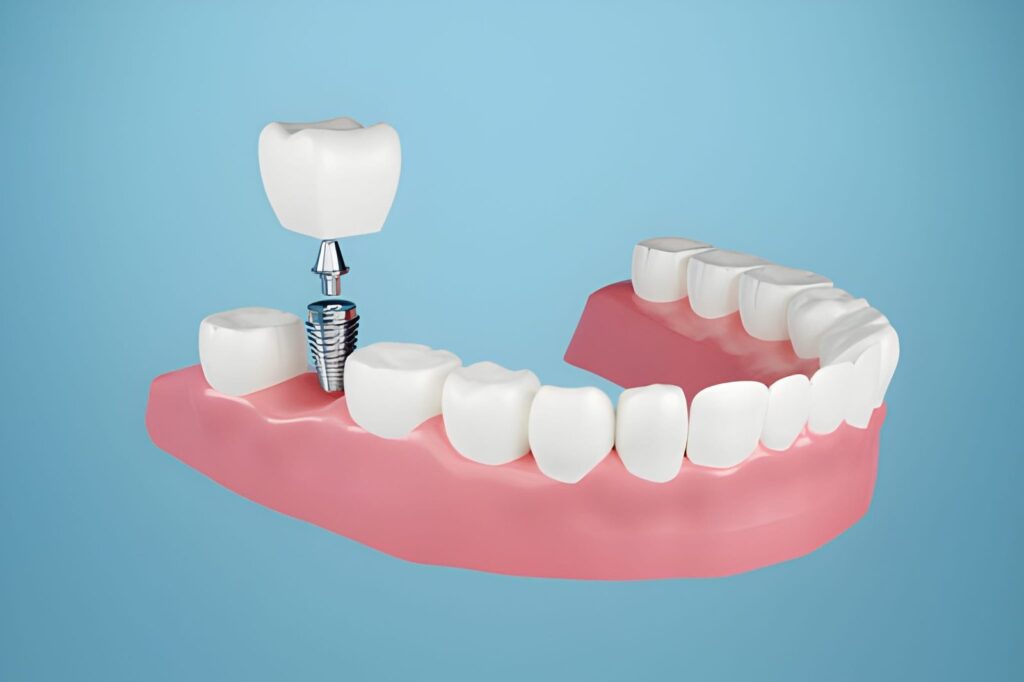
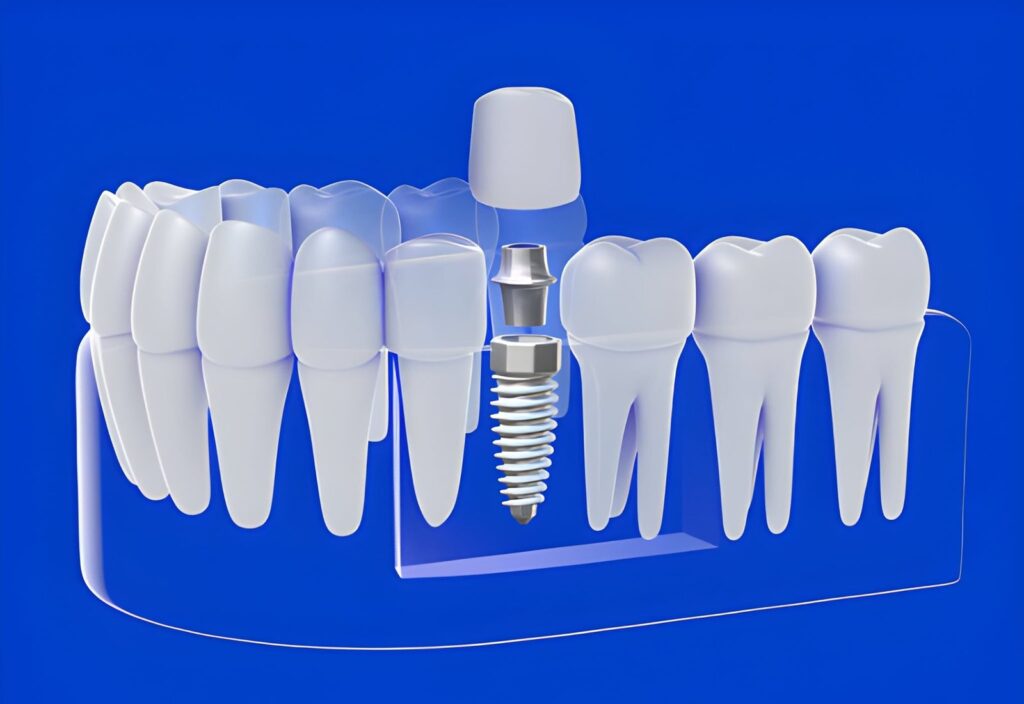
Often chosen as one of the Best dental implants in Aberdeen, dental implants are titanium or zirconia posts placed into the jawbone to act as artificial tooth roots. They provide a strong, long-lasting foundation for replacement teeth such as crowns, bridges, or dentures. Once healed, implants function much like natural teeth.
What Are Full-Mouth Dental Implants?
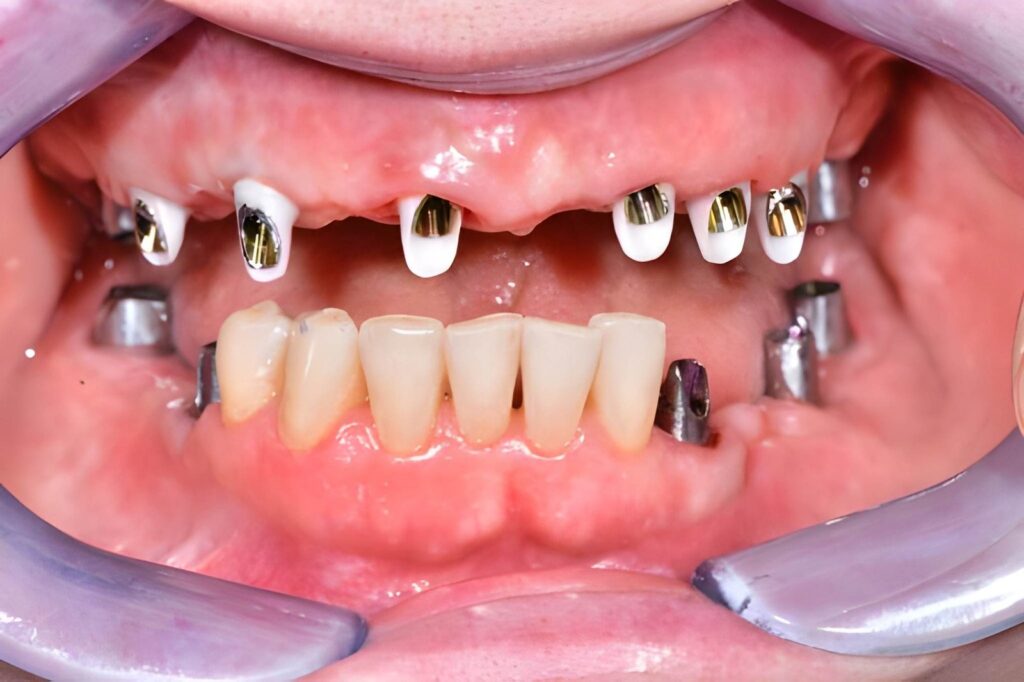
Full-mouth dental implants involve placing several implants—usually between four and eight per jaw—to support a complete arch of replacement teeth. Unlike removable dentures, implants are fixed in place. This gives better stability, a more natural appearance, and improved chewing ability.
Is It Possible to Have an Implant for Every Tooth?
Technically, yes. However, replacing every tooth with an individual implant is rarely necessary. Most full-mouth cases use fewer implants to support a full arch of teeth. This approach delivers the same functional and cosmetic results with less surgery and a shorter recovery time.
Why Do People Choose Full-Mouth Implants?
Patients often choose full-mouth implants to address:
- Severe tooth decay
- Advanced gum disease
- Multiple missing teeth
- Loose or uncomfortable dentures
Implants offer a stable, long-term solution that feels and functions like natural teeth.
Are You a Good Candidate for Full-Arch Restoration?
You may be suitable if you:
- Have extensive tooth loss or damage
- Experience ongoing dental problems affecting daily life
- Have enough jawbone, or are suitable for bone grafting
- Are in good general and oral health
- Do not smoke, or are willing to stop during treatment
A full assessment is always required to confirm suitability.
Factors That Affect Implant Suitability
Bone Health
Strong jawbone density is essential for implant support. If bone loss is present, bone grafting may be recommended.
Gum Health
Healthy gums are critical. Any gum disease must be treated before implant placement.
General Health
Medical conditions such as diabetes may affect healing. Your dentist will review your medical history carefully before treatment.
The Full-Mouth Implant Process
The treatment usually involves:
- Consultation and Imaging – Digital scans assess bone structure and plan treatment
- Treatment Planning – A personalised plan outlines implant placement and restoration
- Implant Placement – Implants are placed under local anaesthetic or sedation
- Temporary Teeth – Temporary teeth may be fitted on the same day
- Healing Phase – Over 3–6 months, implants bond with the bone (osseointegration)
- Final Teeth – Permanent, custom-made teeth are fitted once healing is complete
How Long Does Full-Mouth Implant Treatment Take?
Most treatments take 4 to 8 months from start to finish. Timelines depend on healing speed, bone quality, and whether additional procedures are needed. Same-day teeth may be possible in some cases, but follow-up visits are still required.
Alternatives to Full-Mouth Implants
Other options may include:
- Implant-supported dentures – Fewer implants supporting a removable denture
- Single tooth implants – Suitable for partial tooth loss
- Traditional dentures – Non-surgical and lower cost, but less stable
Your dentist will help you choose the most appropriate solution.
A Long-Term Solution for Missing Teeth
Benefits of Full-Mouth Dental Implants
- Restores natural chewing ability
- Improves speech and comfort
- Helps preserve jawbone and facial structure
- No need for adhesives or removal
- Long-lasting with high success rates
Is Full-Mouth Restoration Right for You?
If you are missing most or all of your teeth, struggle with dentures, or have ongoing dental problems, full-mouth implants may be a life-changing option. A professional consultation is essential to explore the best treatment for your needs.
Are Dental Implants Worth Having?
Book Your Full-Mouth Implant Consultation at Cove Dental & Implant Centre
If you are considering full-mouth dental implants, Cove Dental & Implant Centre is here to help. Our experienced dental team offers personalised implant consultations to assess your oral health, discuss suitable treatment options, and guide you through every step of the process with clarity and care.
Whether you are exploring implants for the first time or looking for a long-term solution to tooth loss, book a consultation today and take the first step towards a confident, comfortable smile.
Frequently Asked Question
How many implants are needed for a full mouth?
Most full-mouth restorations use 4–8 implants per arch.
Is the procedure painful?
Treatment is carried out under anaesthetic or sedation. Post-treatment discomfort is usually mild and temporary.
Can smokers have dental implants?
Smoking increases the risk of implant failure. Quitting significantly improves success rates.
What is the success rate of full-mouth implants?
With proper care, success rates exceed 95%.
How do I care for full-mouth implants?
Maintain good oral hygiene, attend regular dental reviews, and avoid smoking or chewing very hard objects.